Physiotherapy Degree in Spain: Study Path and Career Opportunities
Physiotherapy is a highly respected healthcare profession in Spain, offering essential rehabilitation, injury prevention, and mobility care. Demand for skilled therapists continues to grow across hospitals, sports facilities, and private practices, and a physiotherapy degree in Spain provides high educational standards within a strong clinical environment.

Understanding the Physiotherapy Degree in Spain
A physiotherapy degree in Spain is a 4-year Bachelor’s programme consisting of 240 ECTS credits, placed at EQF Level 6 and fully compliant with European higher education standards. As a result, graduates earn a qualification recognised throughout the European Union.
Throughout the programme, academic theory is paired with extensive clinical internships. By graduation, students possess strong skills in assessment, diagnosis, and therapeutic intervention for diverse patient populations.
Curriculum Overview
The academic curriculum combines foundational biological sciences with specialised clinical methodologies. Key core subjects include:
- Anatomy: comprehensive study of musculoskeletal, cardiovascular, and nervous systems.
- Physiology: understanding muscle function, exercise response, and tissue healing mechanisms.
- Biomechanics: analysing mechanical principles of movement and physical forces on the body.
- Rehabilitation Techniques: practical methods to restore physical function, control pain, and speed recovery.
Admission Requirements
Applicants must hold a high school diploma with strong marks in biology, chemistry, and mathematics. In addition, domestic students undergo the national entrance exam, known as the Selectividad or PAU.
Because most programmes are taught in Spanish, international applicants must demonstrate language proficiency, typically at a B2 CEFR level or higher.

Practical Clinical Internships
Practical clinical training is central to physiotherapy education in Spain. Mandatory internships take place in public hospitals, private clinics, and rehabilitation centres.
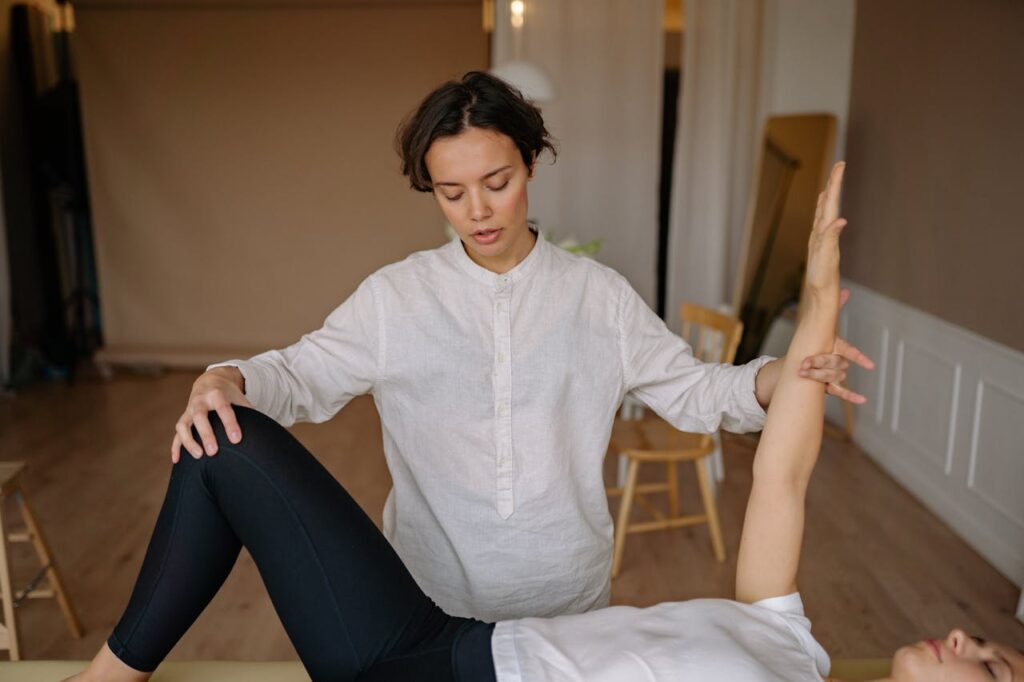
Working alongside experienced clinicians, students gain hands-on experience treating post-surgical recovery, neurological conditions, and sports injuries, applying manual therapy and exercise therapy. Consequently, graduates build strong clinical decision-making and patient communication skills before entering the workforce.
Licensing and Professional Practice
To practise legally, graduates must register with the Spanish Physiotherapy Association (Asociación Española de Fisioterapeutas, AEF). While there is no separate state exam, active professionals must engage in continuing education to stay updated with modern treatment standards, in line with the recognition principles described in our Article 11 recognition guide.
Furthermore, joining the AEF grants practitioners professional liability insurance, official certification options, and career networking opportunities.
Career Opportunities and International Recognition
The job market for physiotherapists in Spain remains robust due to an ageing population and high demand in sports medicine. Graduates can specialise in orthopaedic, paediatric, geriatric, or neurological rehabilitation.

Moreover, Spanish degrees enjoy high international prestige. Thanks to the EU framework and tools like the European Professional Card, graduates can practise in other EU member states, as well as pursue opportunities in Latin America.
Where Can You Practice with a Spanish Physiotherapy Degree?
Under Article 11 of Directive 2005/36/EC, the Spanish physiotherapy degree qualifies as Level (d) — a university bachelor’s degree of four years. As a result, this determines which EU/EEA countries accept the qualification. Furthermore, it clarifies where compensatory measures under Article 14 may additionally apply. In other words, acceptance is guaranteed at the same level, however each host country may still impose additional requirements. For the full recognition procedure, see our Article 11 recognition guide.
Article 11 Recognition Table — Spain
| Article 11 Level | Description | Countries requiring this level | Recognition from Spain (d) |
|---|---|---|---|
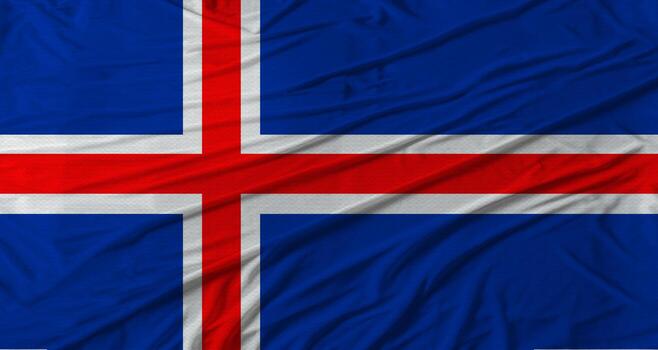
| Level (e) | Master’s degree or post-graduate — university, more than 4 years | Belgium Cyprus France Iceland Luxembourg Poland EQF 7 — master’s degree required as minimum entry level | ⚠ Accepted — compensatory measures likely One level below host country requirement. Host may request an aptitude test or adaptation period under Art. 14. |
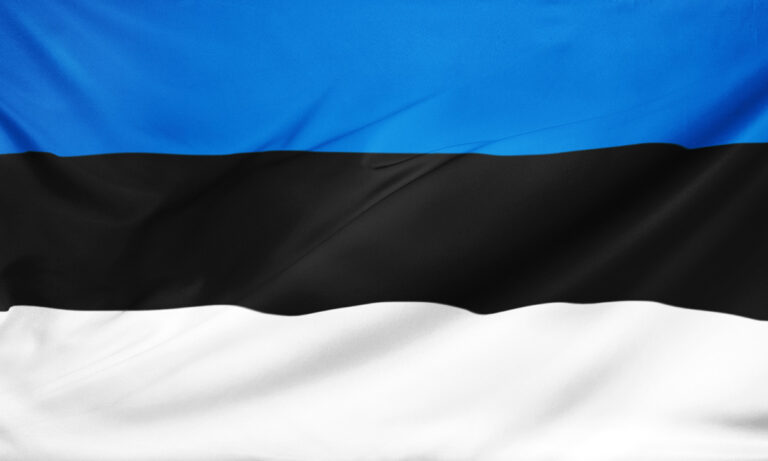
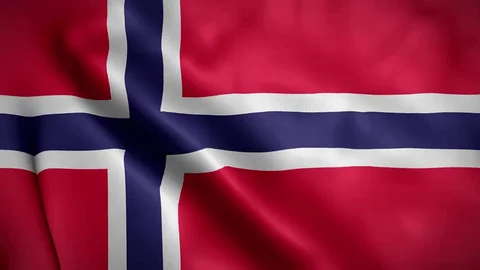
| Level (d) ← Spain | Bachelor’s degree — university or higher education, 3–4 years | Austria Bulgaria Croatia Czechia Denmark Estonia Finland Greece Hungary Ireland Italy Latvia Lithuania Malta Netherlands Portugal Romania Slovenia Spain Sweden Norway EQF 6 — bachelor’s degree, 180–240 ECTS | ✓ Accepted Same level — qualification accepted. Individual compensatory measures may still apply per host country rules. |
| Level (c) | Post-secondary / short-cycle vocational training (min. 1 year) | Germany Slovakia Dual-track systems: vocational route is the legal minimum; academic route also exists at level (d) | ✓ Accepted Spanish level (d) exceeds the minimum. Individual assessment by the competent authority may apply due to the dual-track system. |
| Level (b) | Secondary education certificate or vocational training | No EU/EEA country requires only level (b) for physiotherapy | ✓ Accepted Not applicable for physiotherapy in the EU/EEA. |
| Level (a) | Attestation of competence — basic training or general education | No EU/EEA country requires only level (a) for physiotherapy | ✓ Accepted Not applicable for physiotherapy in the EU/EEA. |