Physiotherapy Degree in Denmark: Study Path and Career Opportunities
Physiotherapy is a dynamic and essential healthcare field, focused on improving physical function and supporting recovery from injury, illness, or disability. Denmark is a well-regarded destination for physiotherapy education, known for its strong emphasis on evidence-based practice and integrating current research into clinical training.
Degree Structure and ECTS Credits
The Bachelor of Physiotherapy in Denmark spans 3.5 years and requires 210 ECTS credits, placed at EQF Level 6, above the 180-credit standard seen in many other EU countries.
The curriculum covers anatomy, physiology, biomechanics, and rehabilitation techniques, alongside communication, ethics, and research methods, with a strong emphasis on evidence-based practice. Clinical placements are incorporated at various stages of the programme, taking place in hospitals, private clinics, and rehabilitation centres, exposing students to a diverse range of patients and treatment approaches under experienced supervision.
Admission Requirements
Admission requires a high school diploma or equivalent, generally 12 years of general education; Denmark also offers an alternative route for applicants who have completed vocational training as a social and health assistant. A background in biology and chemistry is recommended. Many programmes are taught in English, requiring IELTS or TOEFL scores, while Danish-taught programmes require proficiency in Danish. Some institutions also use entrance exams or interviews.
Costs and Living Expenses
Beyond tuition, students should budget for accommodation, food, transportation, and health insurance, which vary by city. Denmark offers government grants and university-specific scholarships for international students, often merit-based, and some programmes provide part-time work opportunities within affiliated healthcare facilities.
Career Opportunities
Graduates work in hospitals, private clinics, rehabilitation centres, and wellness facilities, with many also choosing freelance practice. Demand is strong, driven by an ageing population and rising need for rehabilitation services. Common specialisations include sports physiotherapy, geriatrics, neurorehabilitation, and paediatric care, often pursued through master’s-level study or professional certification.
Professional Association
The Danish Physiotherapy Association (DPA) is the primary professional body for physiotherapists in Denmark, in line with the recognition principles described in our Article 11 recognition guide. It provides access to clinical guidelines and research, organises continuing education through workshops and conferences, and supports networking between physiotherapists, healthcare providers, and academic institutions.
Where Can You Practice with a Danish Physiotherapy Degree?
Under Article 11 of Directive 2005/36/EC, the Danish physiotherapy degree qualifies as Level (d) — a university bachelor’s degree. As a result, this determines which EU/EEA countries accept the qualification. Furthermore, it clarifies where compensatory measures under Article 14 may additionally apply. In other words, acceptance is guaranteed at the same level, however each host country may still impose additional requirements. For the full recognition procedure, see our Article 11 recognition guide.
Article 11 Recognition Table — Denmark
| Article 11 Level | Description | Countries requiring this level | Recognition from Denmark (d) |
|---|---|---|---|
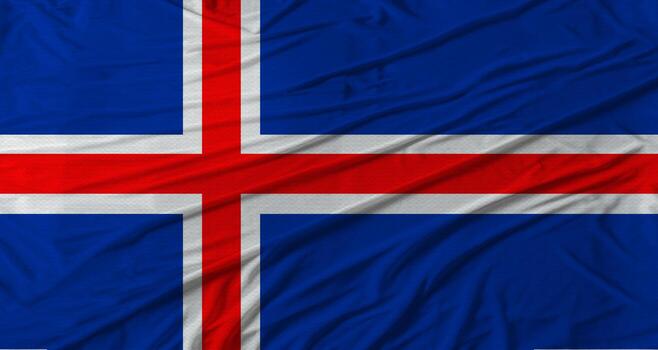
| Level (e) | Master’s degree or post-graduate — university, more than 4 years | Belgium Cyprus France Iceland Luxembourg Poland EQF 7 — master’s degree required as minimum entry level | ⚠ Accepted — compensatory measures likely One level below host country requirement. Host may request an aptitude test or adaptation period under Art. 14. |
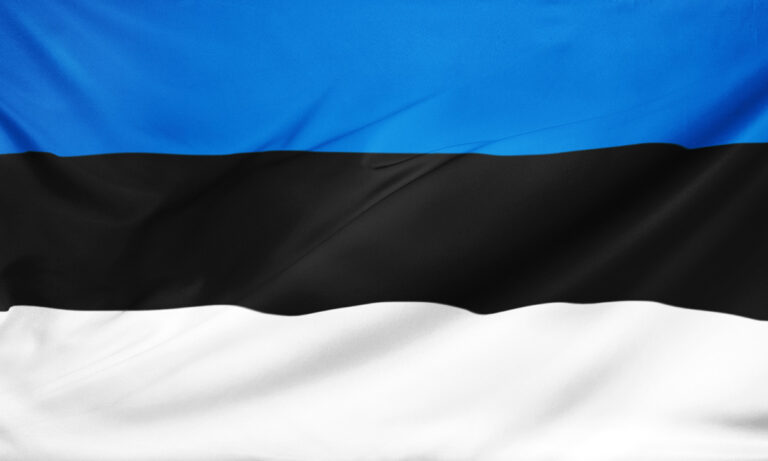
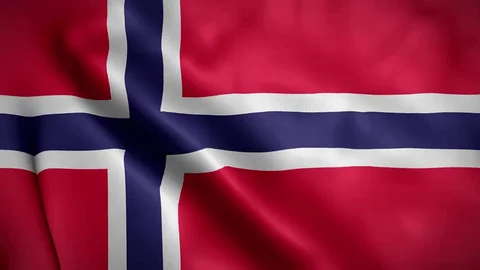
| Level (d) ← Denmark | Bachelor’s degree — university or higher education, 3–4 years | Austria Bulgaria Croatia Czechia Denmark Estonia Finland Greece Hungary Ireland Italy Latvia Lithuania Malta Netherlands Portugal Romania Slovenia Spain Sweden Norway EQF 6 — bachelor’s degree, 180–240 ECTS | ✓ Accepted Same level — qualification accepted. Individual compensatory measures may still apply per host country rules. |
| Level (c) | Post-secondary / short-cycle vocational training (min. 1 year) | Germany Slovakia Dual-track systems: vocational route is the legal minimum; academic route also exists at level (d) | ✓ Accepted Danish level (d) exceeds the minimum. Individual assessment by the competent authority may apply due to the dual-track system. |
| Level (b) | Secondary education certificate or vocational training | No EU/EEA country requires only level (b) for physiotherapy | ✓ Accepted Not applicable for physiotherapy in the EU/EEA. |
| Level (a) | Attestation of competence — basic training or general education | No EU/EEA country requires only level (a) for physiotherapy | ✓ Accepted Not applicable for physiotherapy in the EU/EEA. |