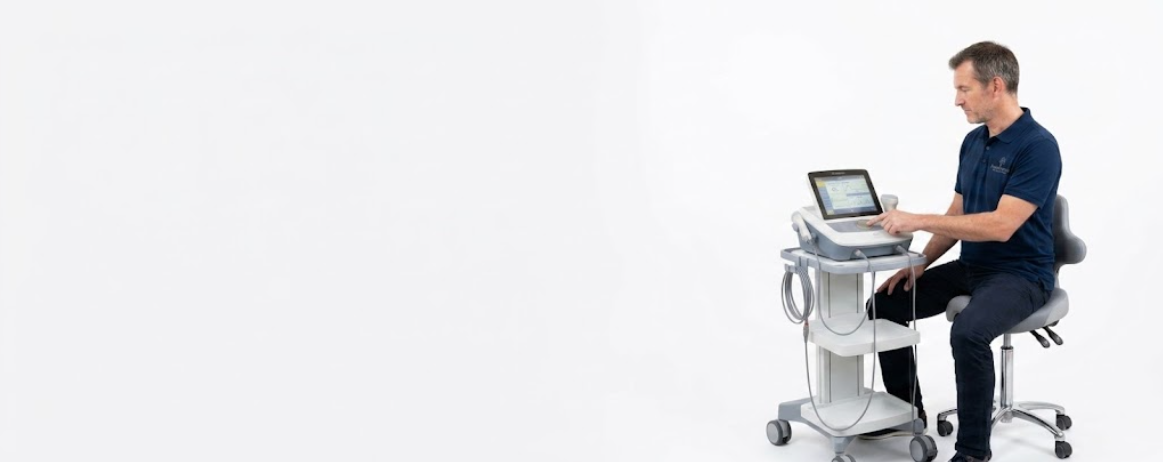
Physical agent modalities in physiotherapy degree programs across Europe prepare graduates to apply thermal, sound, electrical and light-based treatments as part of a broader rehabilitation strategy. As a subject, physical agent modalities remain a well-established interventional skill in nearly every physiotherapy degree program across Europe, complementing manual therapy and exercise-based approaches. According to the European Commission’s mapping of physiotherapy education, physical agent modalities appear in the minimum entry-level curriculum of 27 out of 28 surveyed countries — with Norway as the only exception.
Where This Subject Is Taught Across Europe
Physical agent modalities appear in almost every European physiotherapy curriculum, making them a widely shared interventional skill across the continent. However, their depth, credit allocation and clinical emphasis still vary from country to country.
- Norway: The only surveyed country whose physiotherapy degree does not include physical agent modalities in its minimum entry-level curriculum. However, students may still encounter thermal or electrotherapeutic techniques during elective modules or postgraduate specialisation.
- Italy: The three-year Laurea Triennale (180 ECTS) integrates this subject within the interventional skills block, alongside manual therapy and exercise therapy. Clinical placements apply these techniques from the second year onward.
- Ireland: Within 240 ECTS programs, this training connects closely with orthopaedic and sports physiotherapy practice. Students apply these techniques during supervised clinical placements in hospitals and rehabilitation centres.
- Latvia and Czech Republic: These 180 ECTS programs deliver this content alongside pathokinesiology and musculoskeletal sciences. Together, they form part of a broader interventional skills curriculum in the second year of study.
- France, Belgium and Poland: At master’s level (300 ECTS), this training reaches greater technical depth. Programs cover advanced electrotherapy protocols, therapeutic ultrasound parameters and evidence-based application criteria.
What Electrotherapy and Modality Training Covers
This subject builds on physiology and connects closely with pain medicine. Overall, most European programs cover the following core areas:
- Thermal therapy: heat and cold application principles
- Electrotherapy and neuromuscular electrical stimulation
- Therapeutic ultrasound and sound-based modalities
- Light-based therapies, including laser treatment
- Indications, contraindications and evidence-based application
Clinical Placements and Competence in This Field
Physical agent modalities support pain relief, tissue healing and inflammation management, working alongside manual therapy and exercise-based interventions rather than replacing them. Therefore, competence in these techniques remains a relevant part of the physical agent modalities component within physiotherapy degree programs across most EU/EEA countries. The vast majority of surveyed countries require graduates to implement various physiotherapy interventions safely and effectively, including physical modalities alongside exercise therapy and manual therapy. In addition, this competence works alongside skills already covered under manual therapy and rehabilitation, since modalities are typically applied as part of a broader treatment plan.
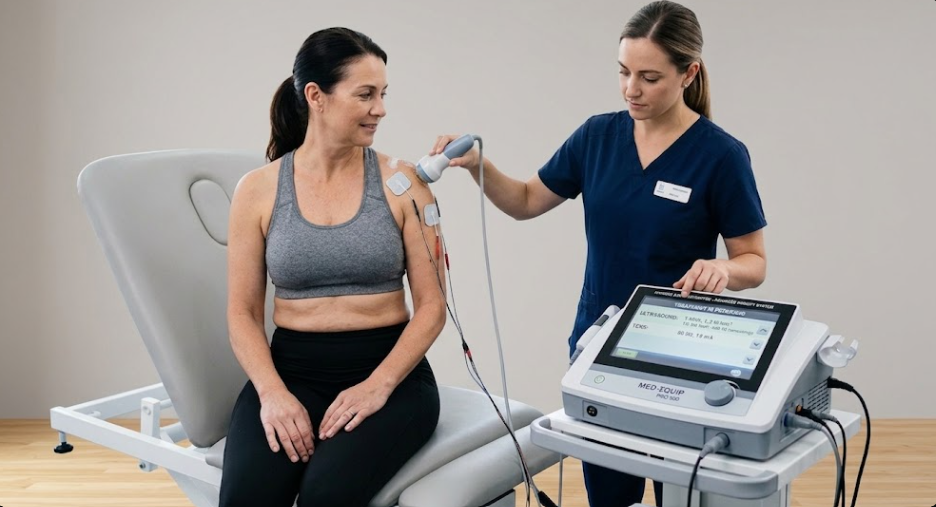
Countries Where This Subject Is Included in the Physiotherapy Curriculum
This subject forms part of the minimum entry-level curriculum in every surveyed country except Norway.
If you are exploring where to study, browse our country guides to compare access requirements, ECTS credits and clinical placement structures for each physiotherapy degree program in Europe.