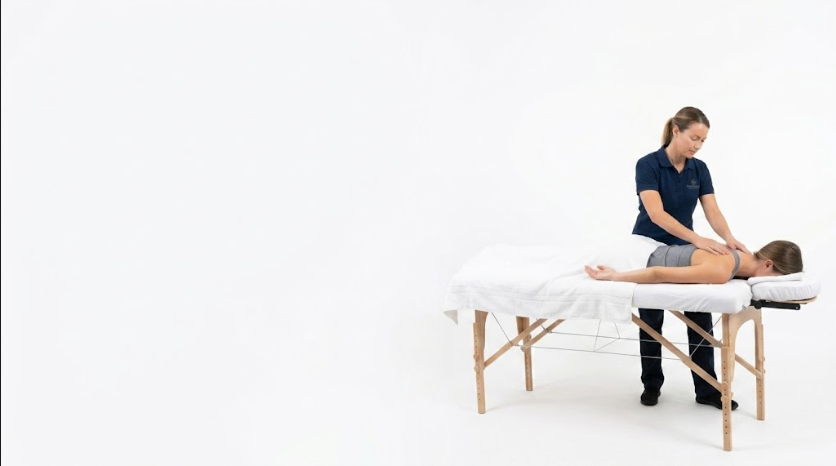
Manual therapy in physiotherapy degree programs across Europe prepares graduates to assess and treat musculoskeletal dysfunction through hands-on techniques such as joint mobilisation, manipulation and soft tissue work. As a subject, manual therapy is one of the most universally applied interventional skills in any physiotherapy degree program across Europe, forming a hands-on cornerstone of clinical practice across nearly every specialty. According to the European Commission’s mapping of physiotherapy education, manual techniques appear in the minimum entry-level curriculum of all 28 surveyed countries.
Where Manual Therapy Is Taught Within Physiotherapy Degree Programs Across Europe
Manual techniques appear in every European physiotherapy curriculum, making this one of the most consistently shared interventional skills across the continent. However, the depth, credit allocation and clinical integration still vary from country to country.
- Italy: The three-year Laurea Triennale (180 ECTS) integrates manual therapy directly with musculoskeletal physiotherapy and orthopaedics. Clinical placements apply hands-on techniques from the second year onward, often under close supervision.
- Ireland: Within 240 ECTS programs, manual therapy connects closely with orthopaedic assessment and exercise prescription. Students apply manual techniques during over 1,000 hours of supervised clinical education.
- Latvia and Czech Republic: These 180 ECTS programs deliver manual therapy alongside musculoskeletal sciences and pathokinesiology. Together, they build a coherent hands-on skills block from the second year of study.
- France, Belgium and Poland: At master’s level (300 ECTS), manual therapy reaches greater technical depth. Programs cover advanced joint mobilisation, spinal manipulation and specialised soft tissue techniques.
- Germany: Both the vocational training track and the academic bachelor’s path include manual therapy. However, the academic route integrates it more extensively with evidence-based practice and clinical reasoning frameworks.
What Hands-On Physiotherapy Training Covers
This subject builds on musculoskeletal sciences and biomechanics and kinesiology. Overall, most European programs cover the following core areas:
- Joint mobilisation and manipulation techniques
- Soft tissue and myofascial release techniques
- Spinal and peripheral joint assessment
- Clinical reasoning and technique selection
- Safety, contraindications and evidence-based application
Clinical Placements and Competence in This Field
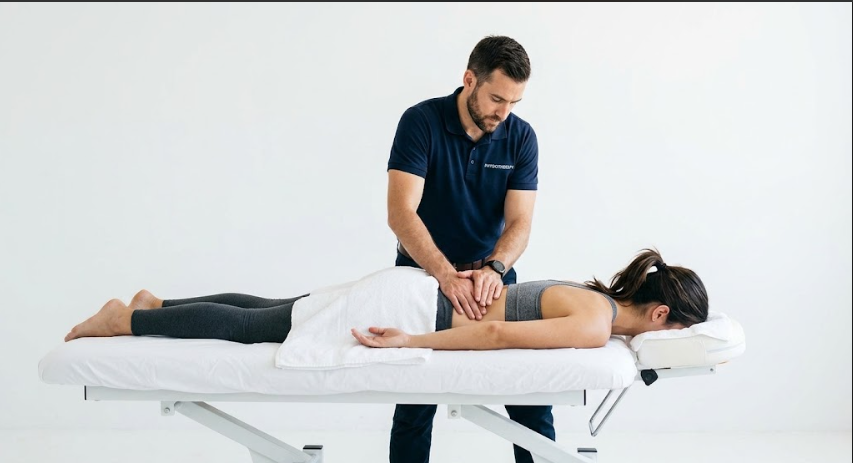
Manual therapy sits at the core of musculoskeletal physiotherapy practice, applied across orthopaedics, sports physiotherapy and rehabilitation alike. Therefore, competence in hands-on technique carries substantial weight in the manual therapy component of physiotherapy degree programs across EU/EEA countries. All 28 surveyed countries require graduates to implement various physiotherapy interventions safely and effectively, including manual therapy alongside exercise therapy and physical modalities. In addition, this competence works alongside skills already covered under rehabilitation and pain medicine, since manual techniques frequently form part of broader pain management strategies.
Countries Where This Subject Is Included in the Physiotherapy Curriculum
Manual techniques form part of the minimum entry-level curriculum in every surveyed country, with no exceptions.
If you are exploring where to study, browse our country guides to compare access requirements, ECTS credits and clinical placement structures for each physiotherapy degree program in Europe.