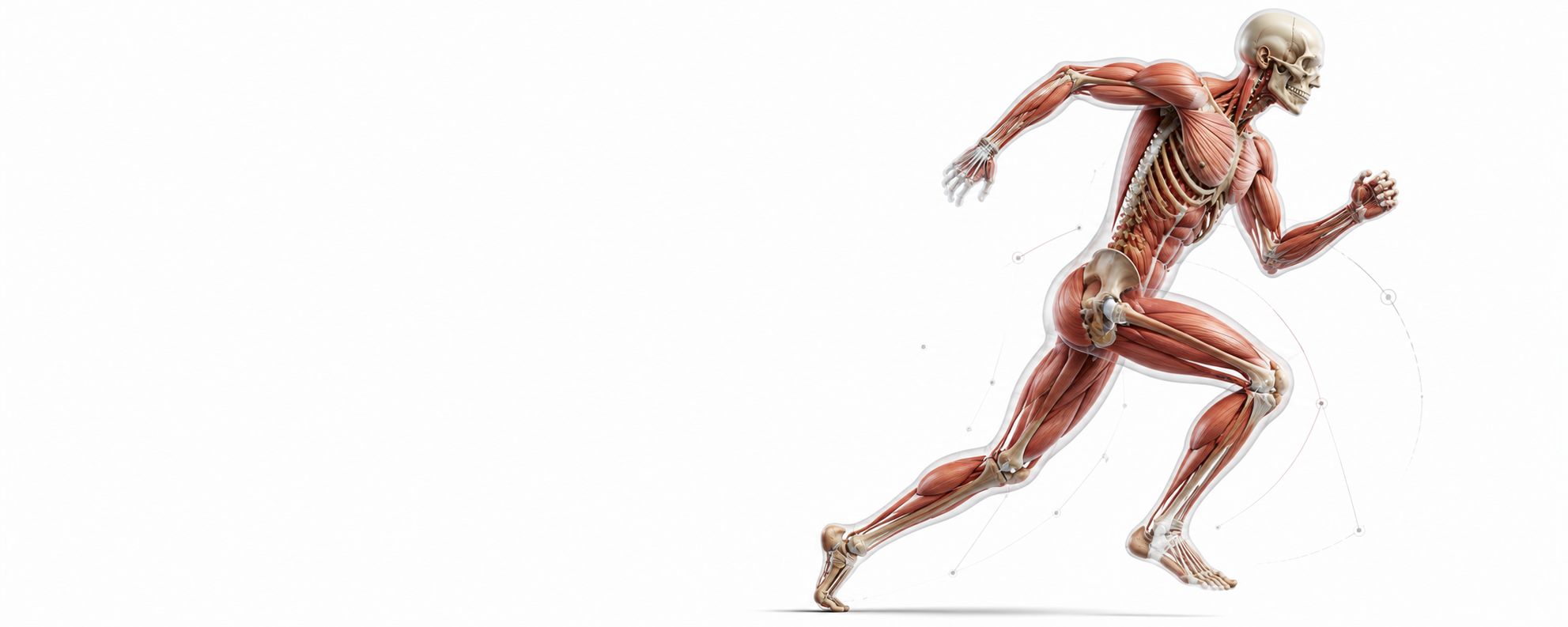
Biomechanics and kinesiology are core subjects in every physiotherapy degree program across Europe. They provide the mechanical and functional framework physiotherapists use to analyse movement and design effective interventions. Within a physiotherapy degree program, biomechanics and kinesiology give students the tools to understand how forces act on the body and how movement patterns change in health and disease. The European Commission’s mapping of physiotherapy education confirms this: physical sciences and kinesiology appear in the minimum entry-level curriculum of all 28 surveyed countries.
Where Biomechanics and Kinesiology Are Taught Within Physiotherapy Degree Programs Across Europe
Both subjects are universally present across Europe. However, their structure within physiotherapy curricula varies significantly. Program length, qualification level, and national regulation all influence how deeply each country covers biomechanics and kinesiology.
- Italy: The three-year Laurea Triennale runs for 180 ECTS. Biomechanics and kinesiology appear as distinct first-year modules. They build the mechanical foundation for clinical subjects introduced in year two. Furthermore, pathokinesiology is covered separately in most Italian programs.
- Ireland: Programs run for 240 ECTS. Here, biomechanics integrates with exercise physiology and clinical assessment. The focus is on movement analysis applied to musculoskeletal and sports physiotherapy.
- Latvia and Czech Republic: These three-year programs (180 ECTS) deliver biophysics, biomechanics and kinesiology as interconnected modules. They sit alongside physiology and pathophysiology in a tightly integrated basic sciences block.
- France, Belgium and Poland: These countries require a master’s level entry qualification of 300 ECTS. As a result, biomechanics reaches greater analytical depth. Programs often include advanced gait analysis and research methodology in movement science.
- Germany: Two parallel routes exist here — a vocational track and an academic bachelor’s path. Both cover biomechanics. However, the depth and integration with clinical content differ considerably between the two tracks.
Biomechanics vs Kinesiology: Two Complementary Subjects
Biomechanics applies mechanical principles to biological structures. It covers forces, torques, joint loading and tissue stress. Kinesiology, in contrast, examines the anatomical, physiological and neurological bases of movement. In clinical practice, the two work together. Biomechanical analysis explains how a structure is loaded. Kinesiology explains why a movement pattern has changed. Together, they form the analytical core of the biomechanics and kinesiology component of any physiotherapy degree program.
What Biomechanics and Kinesiology Training Covers
Most European programs cover the following topics within these subjects:
- Joint mechanics, force vectors and lever systems
- Muscle mechanics and electromyography
- Gait analysis and postural assessment
- Pathokinesiology and movement dysfunction
- Applied movement analysis in rehabilitation and sport
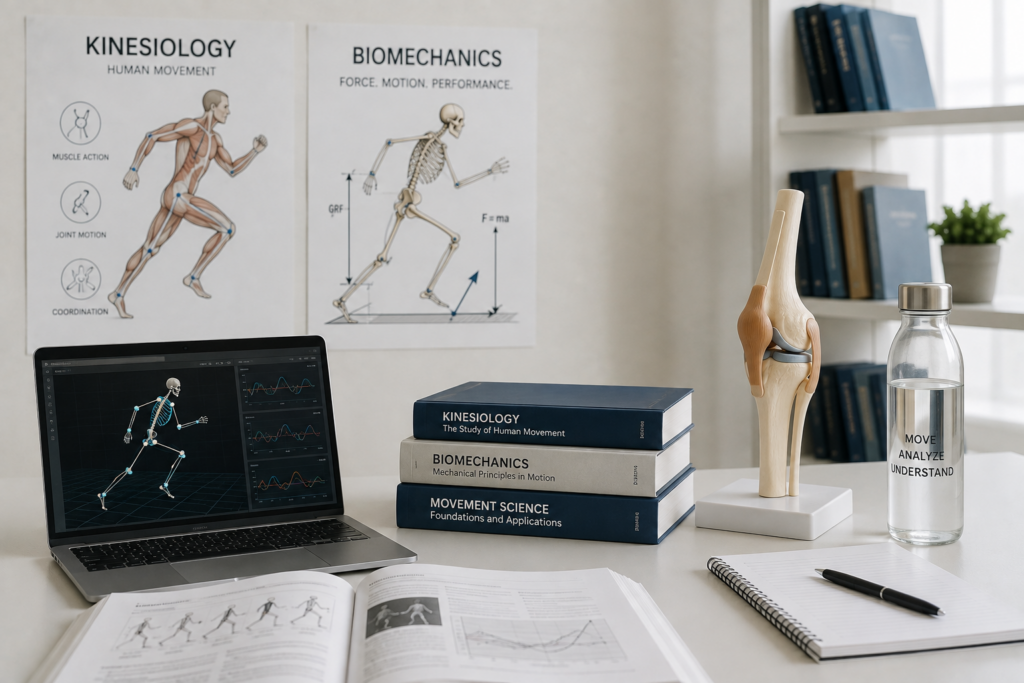
Countries Where These Subjects Are Included in the Physiotherapy Curriculum
Both biomechanics and kinesiology form part of the minimum entry-level curriculum in every surveyed country, with no exceptions.
If you are exploring where to study, browse our country guides to compare access requirements, ECTS credits and clinical placement structures for each physiotherapy degree program in Europe.