
Physiotherapy Degree in Portugal: Study Path and Career Opportunities
Physiotherapy is a healthcare profession focused on assessing, treating, and preventing physical impairments. Physiotherapists in Portugal combine exercise therapy, manual therapy, and patient education to restore movement and reduce pain, and demand for the profession keeps growing alongside an ageing population.
Portugal has become a popular destination for international students thanks to its well-regulated academic system and strong healthcare infrastructure.
Degree Structure and ECTS Credits
A physiotherapy degree in Portugal spans four years and awards 240 ECTS credits, placed at EQF Level 6 in line with the standard European higher education framework.
The first two years cover foundational subjects — anatomy, physiology, and biomechanics — alongside the basics of physiotherapy technique, ethics, and patient care. The final two years shift toward advanced rehabilitation techniques, patient management, and pathophysiology, with clinical internships in hospitals, rehabilitation centres, and outpatient clinics giving students hands-on experience under supervision.
Throughout the programme, evidence-based practice and clinical reasoning are emphasised, preparing graduates to apply current research to real patient care.
Admission Requirements
Admission requires a secondary school diploma with coursework in biology, physics, and chemistry, plus an entrance exam or grade-based assessment in relevant science subjects.

Most physiotherapy programmes are taught in Portuguese, so international students typically need to prove language proficiency, often through the CELPE-Bras certificate or a similar recognised exam; some universities offer preparatory language courses. English-taught options exist but remain uncommon at public institutions.
Costs and Living Expenses
Tuition is broadly in line with other European countries, with lower fees for Portuguese and EU students. Living costs vary by city — Lisbon and Porto are pricier, while smaller towns offer more affordable options. Scholarships based on merit or financial need are available at many universities, and some international students may also access loans or grants from their home countries.
Licensing and Professional Registration
After graduating, physiotherapists must register with the Order of Physiotherapists (Ordem dos Fisioterapeutas), the regulatory body overseeing professional conduct and ethical standards, in line with the recognition principles described in our Article 11 recognition guide. Registration is mandatory to practise legally, and members are expected to engage in continuing professional development throughout their careers.
Career Opportunities
Physiotherapists in Portugal work across hospitals — often in orthopaedics or neurology departments — as well as rehabilitation centres and private practices. Sports medicine and community health programmes, including fall prevention for elderly patients, are also growing areas of demand.
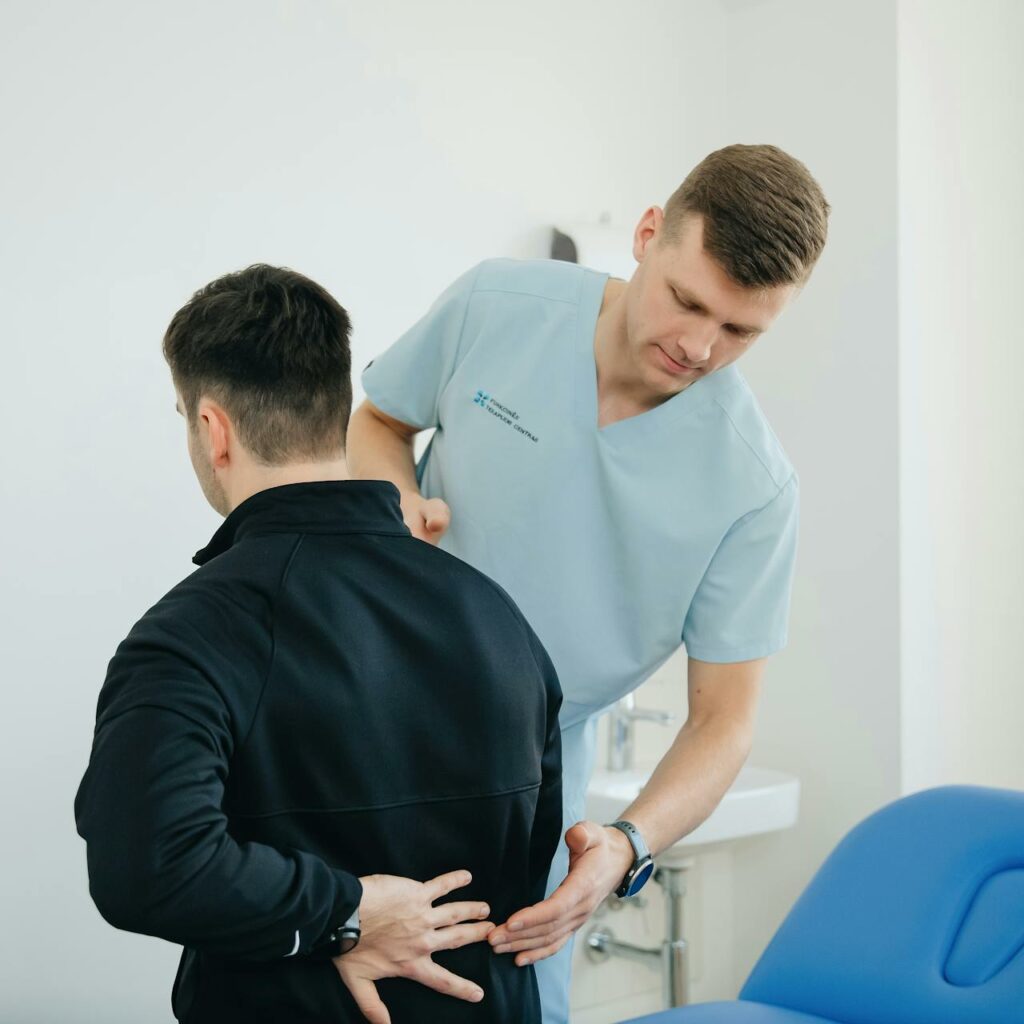
Because physiotherapy qualifications are recognised across the EU, Portuguese graduates can pursue careers both at home and in other member states, with demand expected to keep rising as rehabilitation needs grow.
Professional Associations
The Portuguese Association of Physiotherapists (Associação Portuguesa de Fisioterapeutas, APF) supports practitioners through networking, conferences, and continued education. Membership also gives access to research publications, evidence-based practice guidelines, and legal or ethical support.
Where Can You Practice with a Portuguese Physiotherapy Degree?
Under Article 11 of Directive 2005/36/EC, the Portuguese physiotherapy degree qualifies as Level (d) — a university bachelor’s degree of four years. As a result, this determines which EU/EEA countries accept the qualification. Furthermore, it clarifies where compensatory measures under Article 14 may additionally apply. In other words, acceptance is guaranteed at the same level, however each host country may still impose additional requirements. For the full recognition procedure, see our Article 11 recognition guide.
Article 11 Recognition Table — Portugal
| Article 11 Level | Description | Countries requiring this level | Recognition from Portugal (d) |
|---|---|---|---|
| Level (e) | Master’s degree or post-graduate — university, more than 4 years | Belgium Cyprus France Iceland Luxembourg Poland EQF 7 — master’s degree required as minimum entry level | ⚠ Accepted — compensatory measures likely One level below host country requirement. Host may request an aptitude test or adaptation period under Art. 14. |
| Level (d) ← Portugal | Bachelor’s degree — university or higher education, 3–4 years | Austria Bulgaria Croatia Czechia Denmark Estonia Finland Greece Hungary Ireland Italy Latvia Lithuania Malta Netherlands Portugal Romania Slovenia Spain Sweden Norway EQF 6 — bachelor’s degree, 180–240 ECTS | ✓ Accepted Same level — qualification accepted. Individual compensatory measures may still apply per host country rules. |
| Level (c) | Post-secondary / short-cycle vocational training (min. 1 year) | Germany Slovakia Dual-track systems: vocational route is the legal minimum; academic route also exists at level (d) | ✓ Accepted Portuguese level (d) exceeds the minimum. Individual assessment by the competent authority may apply due to the dual-track system. |
| Level (b) | Secondary education certificate or vocational training | No EU/EEA country requires only level (b) for physiotherapy | ✓ Accepted Not applicable for physiotherapy in the EU/EEA. |
| Level (a) | Attestation of competence — basic training or general education | No EU/EEA country requires only level (a) for physiotherapy | ✓ Accepted Not applicable for physiotherapy in the EU/EEA. |