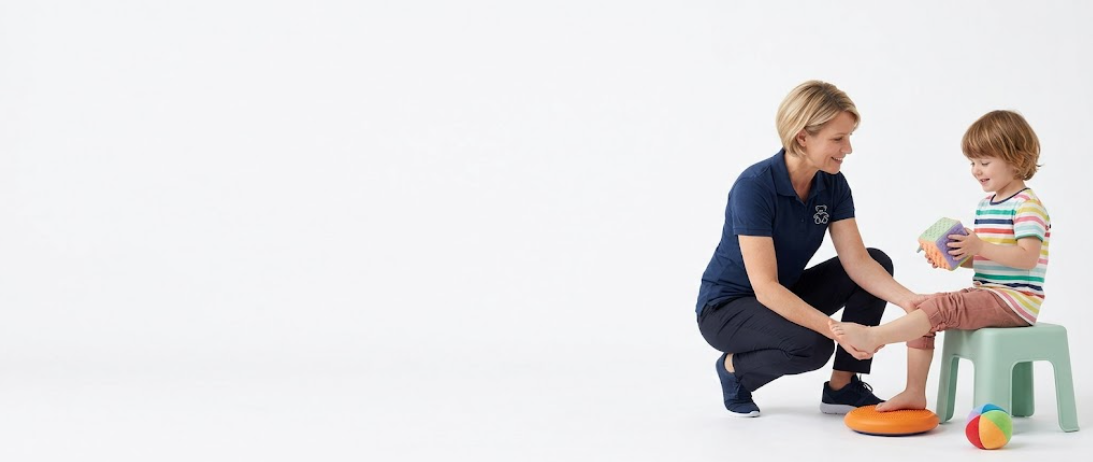
Paediatrics in physiotherapy degree programs across Europe covers the assessment and rehabilitation of movement disorders, developmental conditions and acquired disabilities in children and adolescents. As a subject, paediatrics is a core clinical component in nearly every physiotherapy degree program across Europe. According to the European Commission’s mapping of physiotherapy education, paediatrics appears in the minimum entry-level curriculum of 27 out of 28 surveyed countries — with Italy as the only exception.
Where Paediatrics Is Taught Within Physiotherapy Degree Programs Across Europe
Paediatrics features in almost every European physiotherapy curriculum. However, its depth, clinical integration and credit allocation vary across countries. Program length and national regulation both influence how this subject is structured and delivered.
- Italy: Italy is the only surveyed country that does not include paediatrics in its minimum entry-level curriculum. However, paediatric physiotherapy is a recognised specialisation in Italy, and many Italian programs cover it as an elective or postgraduate subject.
- Ireland: Within 240 ECTS programs, paediatrics integrates closely with neurological and developmental rehabilitation. Students encounter paediatric cases during supervised clinical placements in hospitals, childcare centres and community settings.
- Latvia and Czech Republic: These 180 ECTS programs deliver paediatrics alongside neurology and geriatrics. Together, they cover the full lifespan within the clinical sciences block.
- France, Belgium and Poland: At master’s level (300 ECTS), paediatrics reaches considerably greater depth. Programs cover advanced topics such as neonatal physiotherapy, complex neurodevelopmental conditions and family-centred rehabilitation approaches.
- Germany: Both the vocational track and the academic bachelor’s path include paediatrics. However, the academic route integrates it more extensively with developmental neuroscience and evidence-based pediatric rehabilitation.
What Paediatrics Training Covers
This subject builds on neurology, developmental biology and movement sciences. It applies this knowledge directly to the assessment and treatment of children across all age groups. Most European programs cover the following core areas:
- Normal motor development and developmental milestones
- Assessment and management of cerebral palsy and neurodevelopmental disorders
- Physiotherapy for congenital and acquired musculoskeletal conditions in children
- Respiratory physiotherapy in paediatric populations
- Family-centred and play-based rehabilitation approaches
Clinical Placements and Competence in This Field
Paediatric physiotherapy requires a distinct clinical skillset. Children are not simply small adults — their physiology, movement patterns and rehabilitation needs differ fundamentally from those of adult patients. Therefore, dedicated paediatric training is essential for entry-level competence in the paediatrics component of physiotherapy degree programs. Most European countries include clinical placements in childcare centres and paediatric hospital wards as part of the minimum entry-level education. In addition, the European Commission’s mapping confirms that the capacity to design therapeutic exercise programs for different population groups — including children — is a near-universal competence across all EU/EEA physiotherapy programs.

Countries Where This Subject Is Included in the Physiotherapy Curriculum
Paediatrics forms part of the minimum entry-level curriculum in every surveyed country except Italy.
If you are exploring where to study, browse our country guides to compare access requirements, ECTS credits and clinical placement structures for each physiotherapy degree program in Europe.