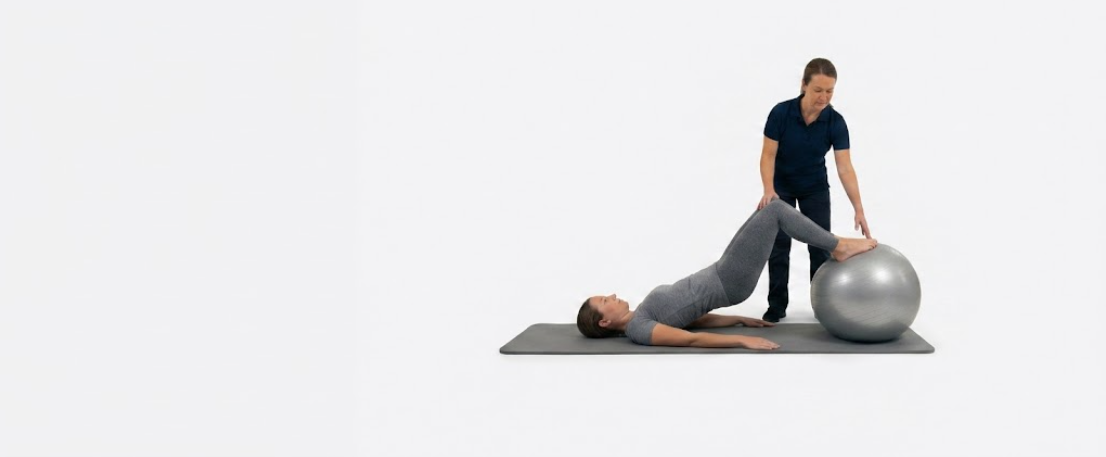
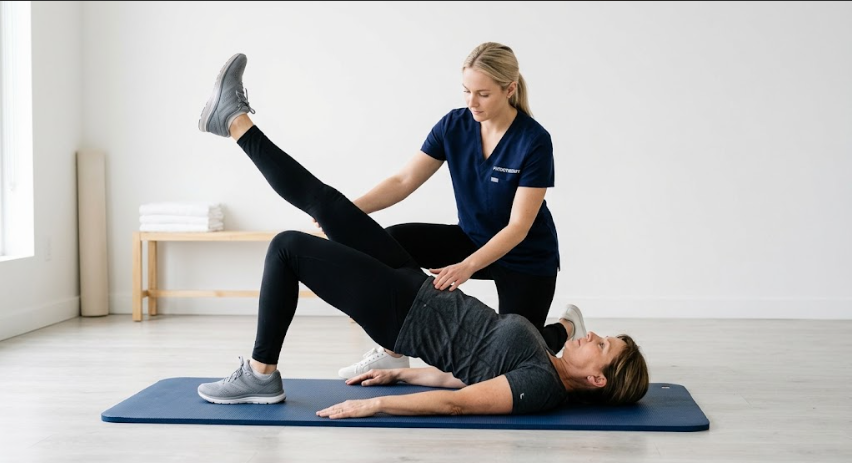
Exercise therapy in physiotherapy degree programs across Europe prepares graduates to design, implement and progress therapeutic exercise programmes for a wide range of clinical conditions and patient populations. As a subject, exercise therapy is one of the most universally applied interventional skills in any physiotherapy degree program across Europe, forming the practical backbone of rehabilitation across nearly every clinical field. According to the European Commission’s mapping of physiotherapy education, exercise physiotherapy appears in the curriculum of all 28 surveyed countries, while therapeutic exercises specifically are included in 27 out of 28 countries.
Where Exercise Therapy Is Taught Within Physiotherapy Degree Programs Across Europe
Exercise therapy appears in nearly every European physiotherapy curriculum, making it one of the most consistently shared interventional skills across the continent. However, its depth, credit allocation and integration with clinical subjects still vary from country to country.
- Denmark: The only surveyed country that does not include therapeutic exercises as a distinct interventional skill subject. However, exercise physiotherapy is fully covered, and therapeutic exercise principles are typically embedded within broader clinical modules.
- Italy: The three-year Laurea Triennale (180 ECTS) integrates exercise therapy directly with musculoskeletal physiotherapy and rehabilitation. Clinical placements apply therapeutic exercise principles from the second year onward.
- Ireland: Within 240 ECTS programs, exercise therapy connects closely with clinical assessment and sports physiotherapy. Students apply exercise prescription skills during over 1,000 hours of supervised clinical education.
- France, Belgium and Poland: At master’s level (300 ECTS), exercise therapy reaches greater analytical depth. Programs cover advanced load progression models, evidence-based exercise prescription and complex case management.
- Germany: Both the vocational training track and the academic bachelor’s path include exercise therapy. However, the academic route integrates it more extensively with evidence-based practice and clinical reasoning.
What Therapeutic Exercise Training Covers
This subject builds on physiology and connects closely with rehabilitation. Overall, most European programs cover the following core areas:
- Principles of exercise prescription and load progression
- Strength, mobility and cardiovascular exercise design
- Therapeutic exercise for musculoskeletal and neurological conditions
- Exercise adaptation for different population groups
- Monitoring and evaluating exercise intervention outcomes
Clinical Placements and Competence in This Field
Exercise therapy sits at the core of physiotherapy practice, applied across nearly every clinical specialty from orthopaedics to neurology. Therefore, competence in exercise prescription carries substantial weight in the exercise therapy component of physiotherapy degree programs across EU/EEA countries. All 28 surveyed countries require graduates to independently design, implement and evaluate physiotherapeutic exercises, and to design therapeutic exercise programmes for different population groups, including children, older people, people with disabilities and pregnant women. In addition, this competence works alongside skills already covered under rehabilitation and musculoskeletal sciences, since exercise-based interventions form the practical link between theory and patient care.
Countries Where This Subject Is Included in the Physiotherapy Curriculum
Exercise physiotherapy forms part of the minimum entry-level curriculum in every surveyed country, with no exceptions. Therapeutic exercises follow a nearly identical pattern, with Denmark as the only partial exception.
*Denmark covers exercise physiotherapy but does not include therapeutic exercises as a separate, distinct subject in the minimum entry-level curriculum.
If you are exploring where to study, browse our country guides to compare access requirements, ECTS credits and clinical placement structures for each physiotherapy degree program in Europe.