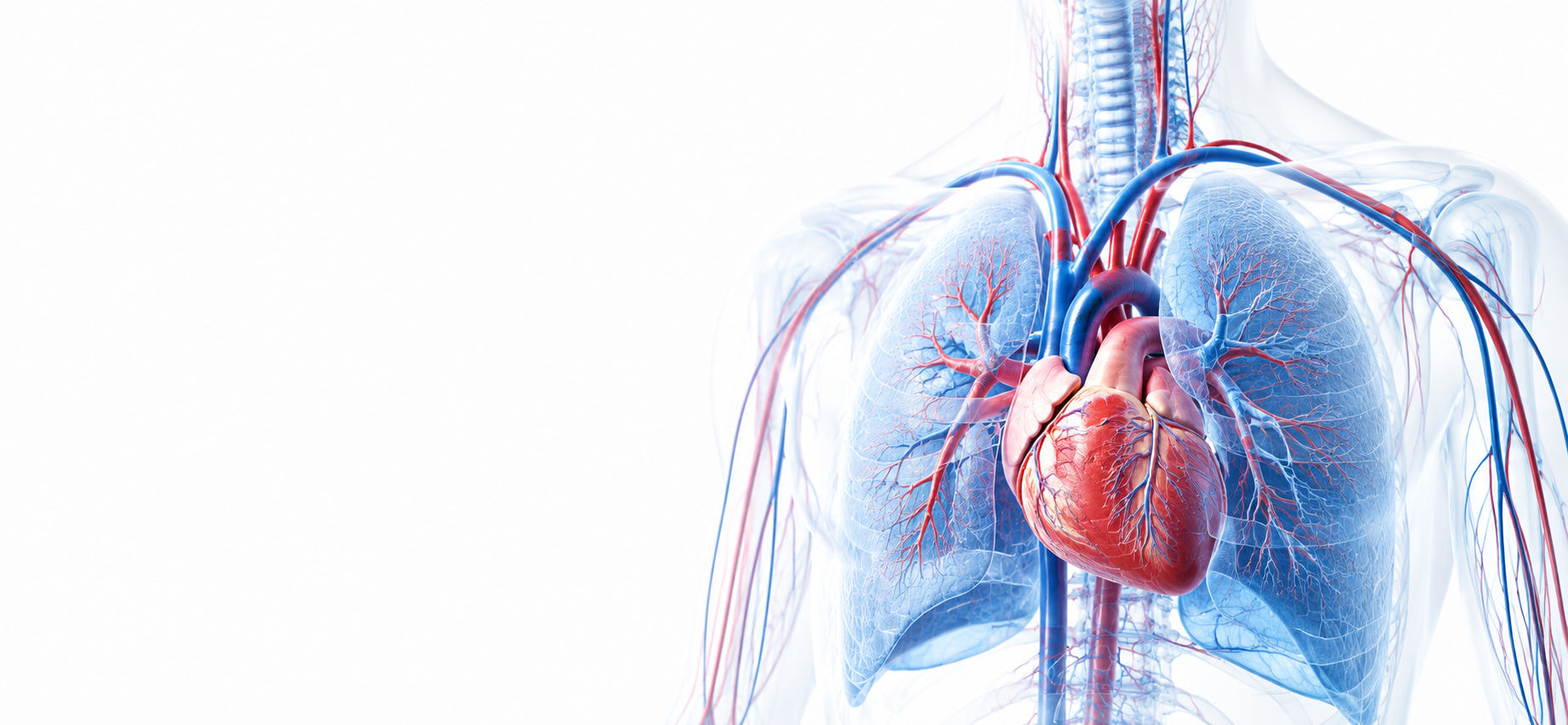
Cardiology and pulmonology in physiotherapy degree programs across Europe prepare graduates to assess and treat patients with cardiovascular and respiratory conditions, a field that plays a growing role across European healthcare systems. From post-surgical recovery to chronic disease management, cardiology and pulmonology form two of the core clinical subjects in almost every physiotherapy degree program in Europe. According to the European Commission’s mapping of physiotherapy education, cardiology appears in the curriculum of 27 out of 28 surveyed countries, while pulmonology is included in 26 countries.
Where Cardiology and Pulmonology Are Taught Within Physiotherapy Degree Programs Across Europe
Cardiology and pulmonology appear in almost every European physiotherapy curriculum. However, the way universities teach them — separately or combined into a single cardiorespiratory module — differs from country to country and depends largely on programme length.
- Slovakia: The only surveyed country that does not include either cardiology or pulmonology as a distinct subject in the minimum entry-level curriculum. That said, students may still encounter cardiorespiratory content during clinical placements.
- Denmark: Includes cardiology but does not require pulmonology as a separate subject in its minimum entry-level programme.
- France, Belgium, Poland, Luxembourg (300 ECTS master’s level): Students study cardiorespiratory physiotherapy in greater depth here, including advanced airway clearance techniques and post-cardiac surgery rehabilitation protocols.
- Italy, Spain, Portugal, Ireland: Universities integrate cardiology and pulmonology within the clinical sciences block and reinforce them through mandatory clinical placements in hospital cardiorespiratory and rehabilitation units.
- Romania: Although cardiology is included, cardio-respiratory physiotherapy as an interventional skill remains one of the few areas not yet reflected in the entry-level curriculum.
What Cardiopulmonary Physiotherapy Training Covers
This subject builds directly on physiology and connects closely with rehabilitation. Overall, most European programs cover the following core areas:
- Cardiovascular assessment and exercise tolerance testing
- Airway clearance techniques and respiratory physiotherapy
- Pre- and post-operative cardiac and thoracic surgery rehabilitation
- Pulmonary rehabilitation for chronic respiratory disease (e.g. COPD)
- Exercise prescription for cardiovascular and respiratory patients
Clinical Placements and Competence in This Field
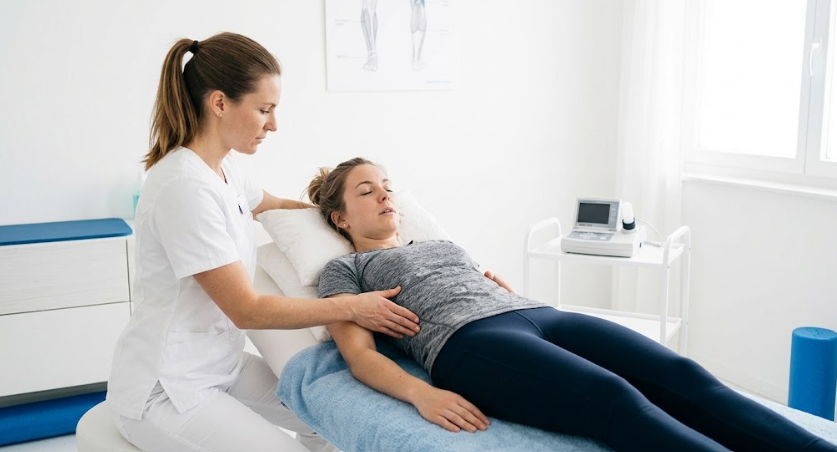
Most EU/EEA countries explicitly include cardiorespiratory physiotherapy among the fields covered by clinical placements, alongside traumatology, neurology and orthopaedics. As a result, graduates apply their theoretical knowledge of cardiology and pulmonology directly with patients in hospitals and rehabilitation centres during supervised clinical training. In addition, this clinical exposure works alongside competences already covered under exercise therapy and geriatrics, since cardiopulmonary conditions are especially prevalent among older patient populations.
Countries Where This Subject Is Included in the Physiotherapy Curriculum
Cardiology forms part of the minimum entry-level curriculum in every surveyed country except Slovakia. Pulmonology follows a similar pattern, with Denmark as an additional exception where universities do not teach it as a distinct subject.
*Denmark covers cardiology but does not teach pulmonology as a separate, distinct subject in the minimum entry-level curriculum. Slovakia is not listed above, as it does not include either cardiology or pulmonology in the minimum entry-level curriculum.
If you are exploring where to study, browse our country guides to compare access requirements, ECTS credits and clinical placement structures for each physiotherapy degree program in Europe.