
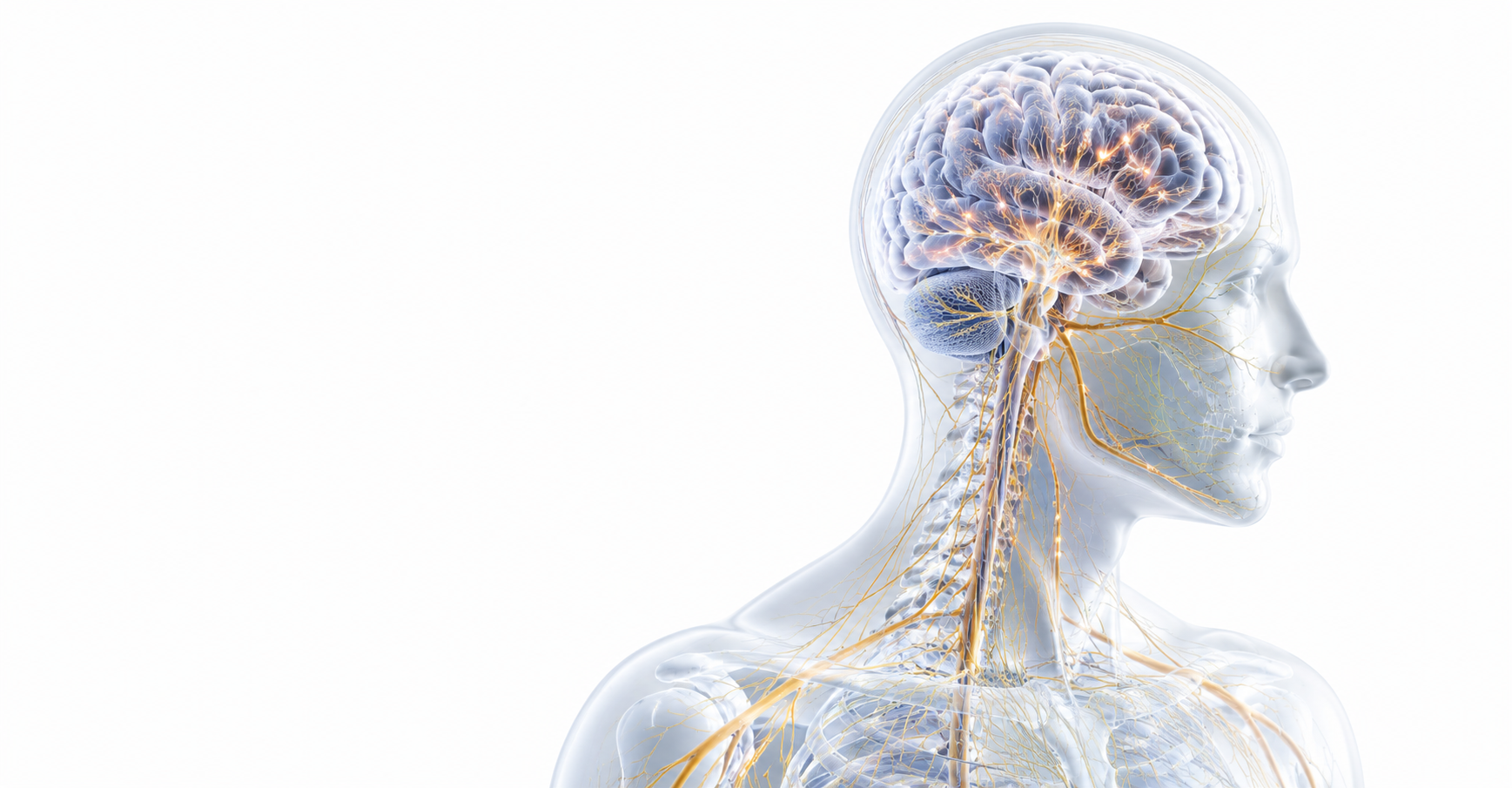
Neurology in physiotherapy degree programs across Europe prepares graduates to assess and rehabilitate disorders affecting the central and peripheral nervous system. As a subject, neurology is one of the most demanding and clinically significant components in any physiotherapy degree program in Europe. The European Commission’s mapping of physiotherapy education confirms its universal presence: neurology appears in the minimum entry-level curriculum of all 28 surveyed countries.
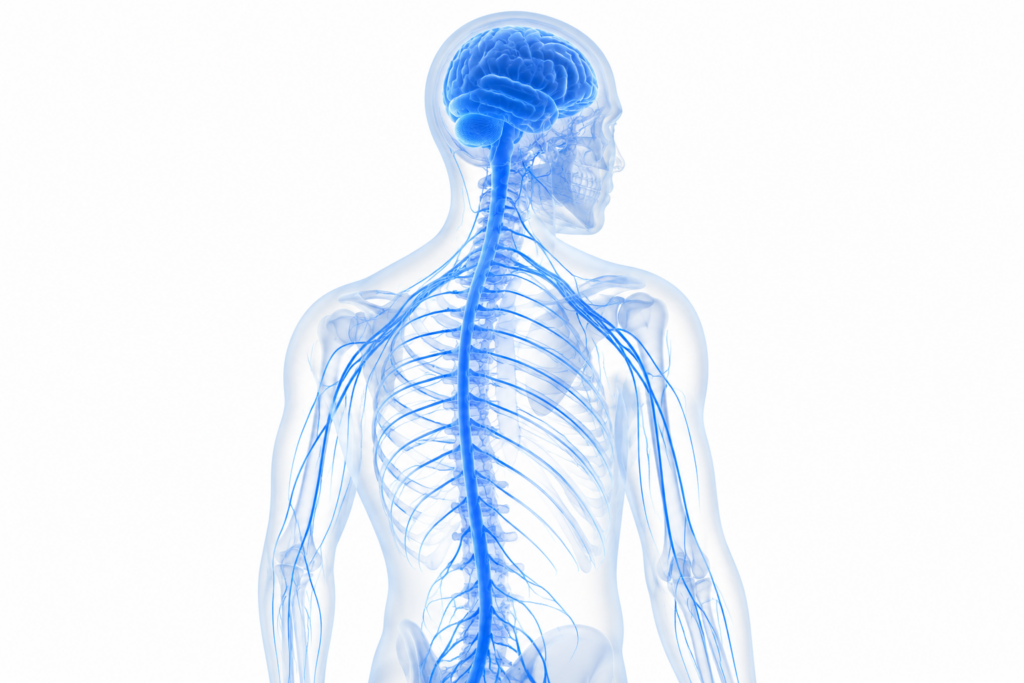
Where Neurology Is Taught Within Physiotherapy Degree Programs Across Europe
Neurology appears in every European physiotherapy curriculum. However, its depth, credit allocation and clinical integration vary considerably across countries. Program length, qualification level and national regulation all influence how neurology is structured and delivered.
- Italy: The three-year Laurea Triennale (180 ECTS) covers neurology alongside neuroanatomy and neuropathology. Clinical placements in neurological settings begin from the second year. Furthermore, neurological physiotherapy appears as a dedicated interventional module in all Italian programs.
- Ireland: Within 240 ECTS programs, neurology integrates closely with clinical assessment and rehabilitation. Students apply neurological assessment skills during over 1,000 hours of supervised clinical education. Placements include hospitals, rehabilitation centres and community settings.
- Latvia and Czech Republic: These 180 ECTS programs deliver neurology alongside neurophysiology and pathokinesiology. Together, they build a strong theoretical foundation for neurological clinical practice in later semesters.
- France, Belgium and Poland: At master’s level (300 ECTS), neurology reaches considerably greater depth. Programs cover advanced topics such as neuroplasticity, complex stroke rehabilitation and movement re-education in progressive neurological conditions.
- Germany: Both the vocational track and the academic bachelor’s path include neurology. However, the academic route integrates it more extensively with evidence-based practice and neurological clinical reasoning.
What Neurology Training Covers
This subject builds on anatomy, physiology and movement sciences. It applies this knowledge directly to the assessment and treatment of neurological conditions. Most European programs cover the following core areas:
- Central and peripheral nervous system anatomy and pathology
- Neuroplasticity and motor learning principles
- Assessment and management of stroke and traumatic brain injury
- Rehabilitation of spinal cord injuries and progressive neurological conditions
- Neurological gait analysis and balance assessment
Clinical Placements and Competence in This Field
Neurological conditions represent one of the most complex areas of physiotherapy practice. Therefore, neurology carries significant weight in the neurology component of any physiotherapy degree program at entry level. All 28 surveyed countries include neurological physiotherapy as a mandatory interventional subject. In addition, neuroanatomy and neurophysiology appear in almost all European programs as supporting theoretical subjects. Clinical placements in neurology — primarily in hospitals and rehabilitation centres — are standard practice across EU/EEA countries.
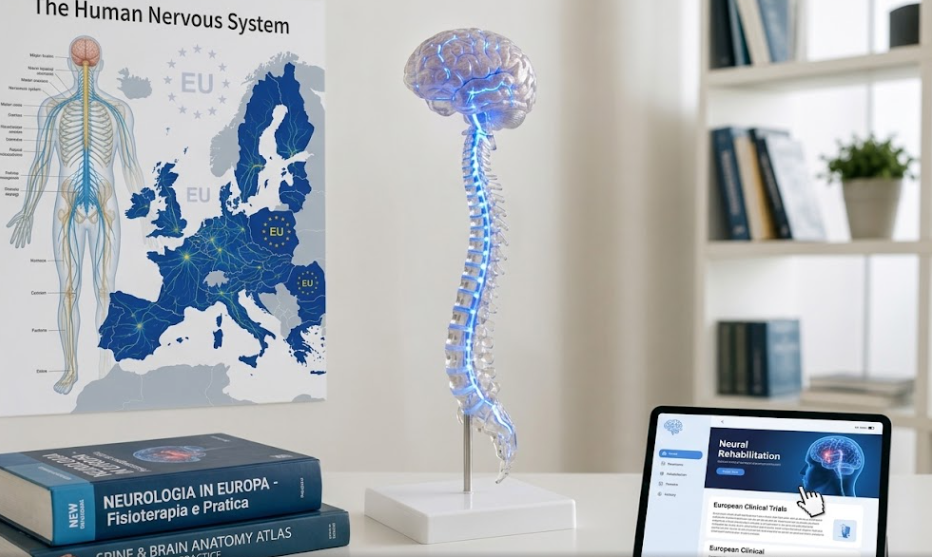
Countries Where This Subject Is Included in the Physiotherapy Curriculum
Neurology forms part of the minimum entry-level curriculum in every surveyed country, with no exceptions.
If you are exploring where to study, browse our country guides to compare access requirements, ECTS credits and clinical placement structures for each physiotherapy degree program in Europe.