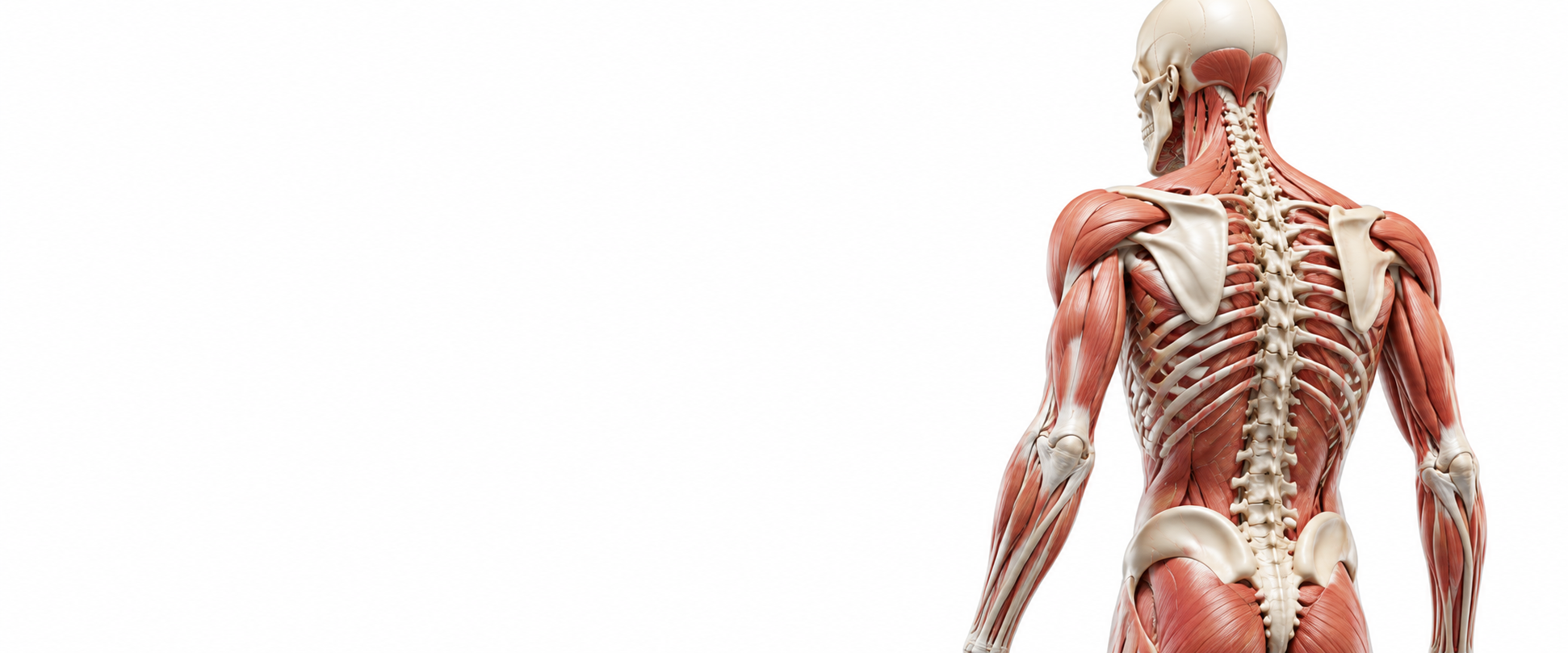
Musculoskeletal sciences in physiotherapy degree programs across Europe cover the structure, function and pathology of muscles, bones, joints and connective tissues. As a subject, musculoskeletal sciences form one of the central pillars of every physiotherapy degree programmes across Europe. The European Commission’s mapping of physiotherapy education confirms their universal importance: musculoskeletal sciences appear in the minimum entry-level curriculum of all 28 surveyed countries.
Where Musculoskeletal Sciences Are Taught Within Physiotherapy Degree Programs Across Europe
Musculoskeletal sciences are present in every European physiotherapy curriculum. However, their depth, credit allocation and integration with clinical subjects vary across countries. Program structure and national regulation both influence how this subject is delivered.
- Italy: The three-year Laurea Triennale (180 ECTS) covers musculoskeletal sciences in the first two years. Theoretical content integrates closely with orthopaedics and traumatology. Furthermore, musculoskeletal physiotherapy appears as a dedicated clinical application module in later semesters.
- Ireland: Within 240 ECTS programs, musculoskeletal sciences connect directly to clinical assessment and manual therapy. Students apply musculoskeletal knowledge during over 1,000 hours of supervised clinical placement.
- Latvia and Czech Republic: These 180 ECTS programs integrate musculoskeletal sciences with pathokinesiology and biomechanics. Together, these subjects form a unified movement science block in the first year.
- France, Belgium and Poland: At master’s level (300 ECTS), musculoskeletal sciences reach greater analytical depth. Programs include advanced topics such as tissue biomechanics, differential diagnosis and complex case management.
- Germany: Both the vocational track and the academic bachelor’s path cover musculoskeletal sciences. However, the academic route integrates this subject more extensively with evidence-based practice and clinical reasoning.
What Musculoskeletal Sciences Training Covers
This subject brings together content from anatomy, physiology and biomechanics. It applies this knowledge directly to the assessment and treatment of movement disorders. Most European programs cover the following core areas:
- Structure and function of muscles, tendons, ligaments and joints
- Bone physiology, remodelling and fracture healing
- Common musculoskeletal pathologies and their mechanisms
- Clinical assessment of musculoskeletal conditions
- Principles of tissue repair and load management
Clinical Placements and Competence in This Field
Musculoskeletal conditions represent the largest single area of physiotherapy practice across Europe. Therefore, a strong foundation in musculoskeletal sciences directly shapes clinical competence in the musculoskeletal component of any physiotherapy degree program. All 28 surveyed countries require graduates to independently diagnose functional disorders of the musculoskeletal system. In addition, the ability to design and implement tailored treatment plans for musculoskeletal conditions is a universal competence across EU/EEA physiotherapy programs.

Countries Where This Subject Is Included in the Physiotherapy Curriculum
Musculoskeletal sciences form part of the minimum entry-level curriculum in every surveyed country, with no exceptions.
If you are exploring where to study, browse our country guides to compare access requirements, ECTS credits and clinical placement structures for each physiotherapy degree program in Europe.