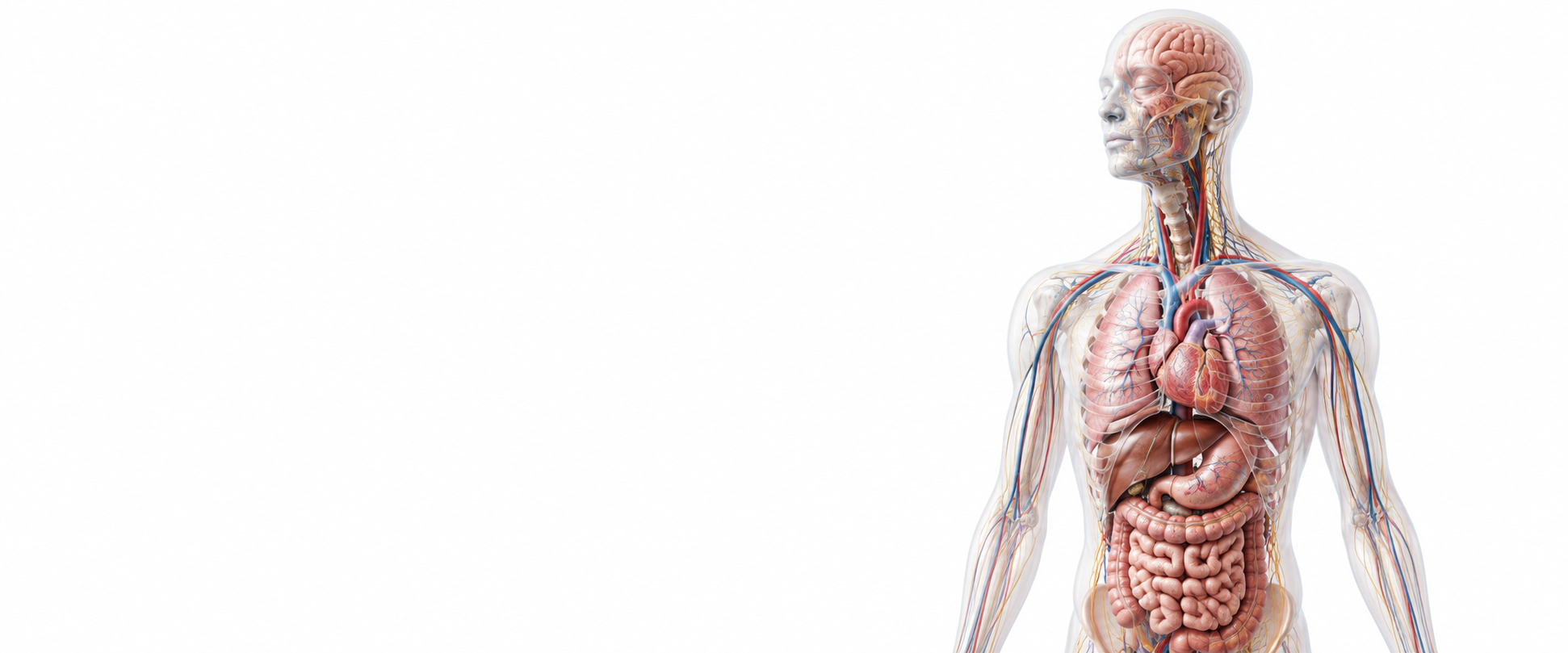
Physiology is a foundational subject in every physiotherapy degree program in Europe. As a subject in physiotherapy degree programs, physiology gives every practicing physiotherapist a clear understanding of human body functions, from cellular metabolism to integrated organ systems. According to the European Commission’s mapping of EU/EEA physiotherapy education, all 28 surveyed countries require physiology in their minimum entry-level curriculum alongside anatomy, physical sciences, and kinesiology.
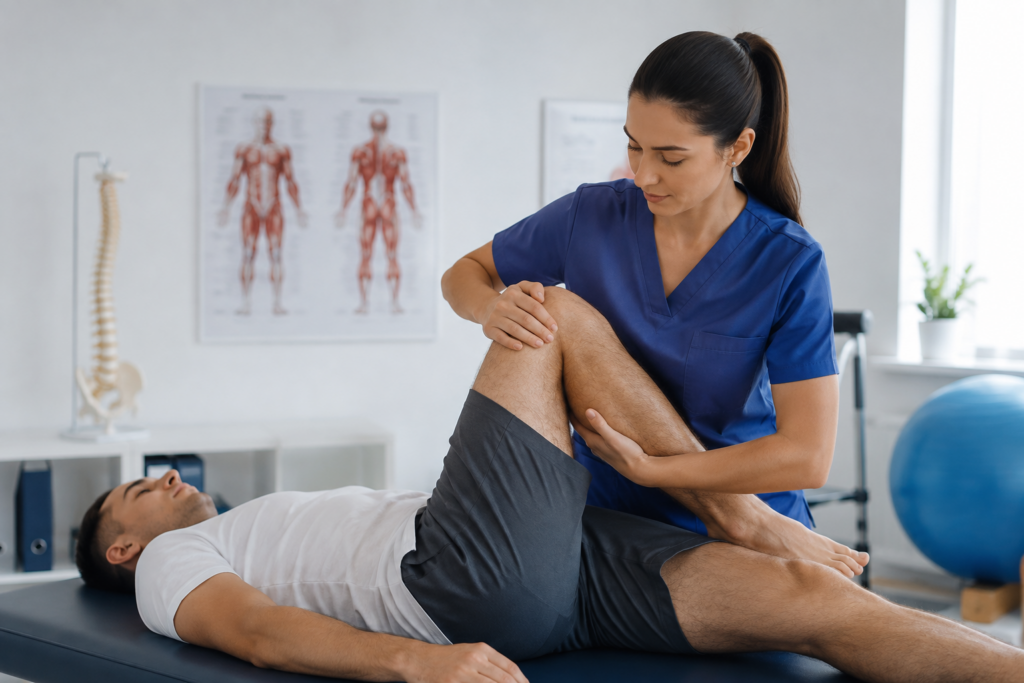
Where Physiology Is Taught Within Physiotherapy Degree Programs Across Europe
Despite its universal presence, European countries teach physiology in physiotherapy programs in different ways. These variations reflect differences in program structure, duration, and national regulations.
- Italy: Universities teach physiology within the three-year Laurea Triennale (180 ECTS). The curriculum follows national ministerial guidelines. Moreover, educators strongly integrate physiology with clinical disciplines starting in the second year.
- Ireland: Programs like the BSc at University College Dublin dedicate significant contact hours to applied physiology and exercise physiology. Additionally, this 240 ECTS science-based degree includes over 1,000 hours of supervised clinical education.
- Latvia and Czech Republic: Three-year programs (180 ECTS) cover physiology, pathophysiology, and biophysics as interconnected modules. Consequently, students experience an integrated approach to basic sciences.
- France, Belgium, Poland: These countries require a master’s level entry qualification (300 ECTS). Therefore, students revisit physiology in greater depth and integrate it with advanced clinical reasoning throughout a longer program.
- Germany: Two parallel routes exist: a vocational training path and an academic bachelor’s path. Physiology forms a core component of both routes. However, depth and credit allocation differ significantly between them.
What Physiology Training Covers
Across all European programs, physiology for physiotherapists typically covers the following systems and applications:
- Cardiovascular and respiratory physiology
- Neuromuscular physiology and motor control
- Musculoskeletal physiology and tissue repair
- Exercise physiology and physiological adaptations to training
- Pathophysiology as a bridge to clinical reasoning
Why Physiology Matters in a Physiotherapy Degree
A solid grounding in physiology underpins clinical decision-making across all physiotherapy specialties. For instance, physiological reasoning drives every assessment and intervention, whether treating a patient with chronic obstructive pulmonary disease, designing a loading program for a tendinopathy, or assessing a neurological case. As a result, all countries surveyed by the European Commission require graduates of any physiotherapy degree program to master the biological, physical, and clinical sciences and apply them directly in practice.
Countries Where This Subject Is Included in the Physiotherapy Curriculum
Physiology forms part of the minimum entry-level curriculum in every surveyed country, with no exceptions.
If you are exploring where to study, browse our country guides to compare access requirements, ECTS credits and clinical placement structures for each physiotherapy degree program in Europe.