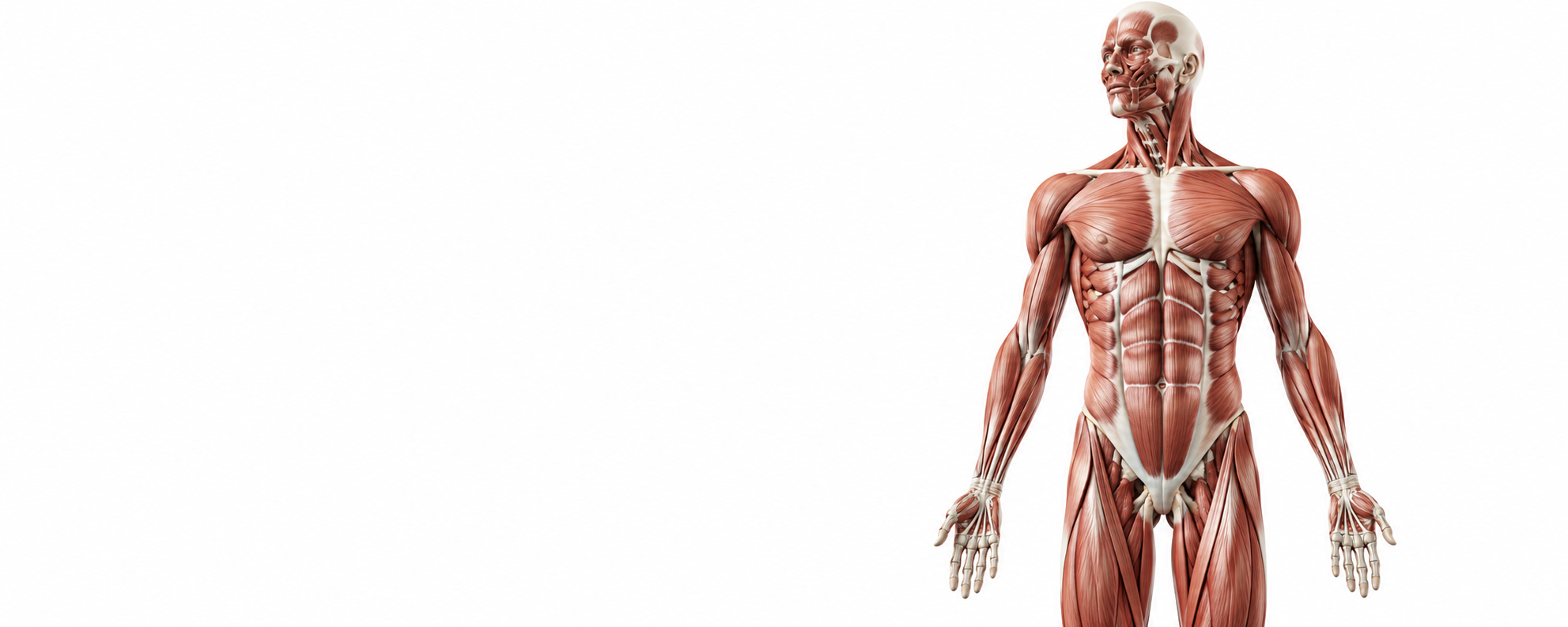
Anatomy is a fundamental subject in every physiotherapy degree program across Europe. Physiotherapists need a solid knowledge of human anatomy to understand movement, physical function and clinical conditions. For this reason, anatomy forms a core part of physiotherapy degree programmes across Europe.
Anatomy in a Physiotherapy Degree
First, physiotherapy students study anatomy to understand the relationship between body structures, movement and function. Depending on the programme, anatomy can cover gross anatomy, musculoskeletal anatomy, neuroanatomy and functional anatomy.
In addition, universities may connect anatomy with other basic sciences, such as physiology and biomechanics. This approach helps students apply anatomical knowledge to clinical assessment, movement analysis and rehabilitation.
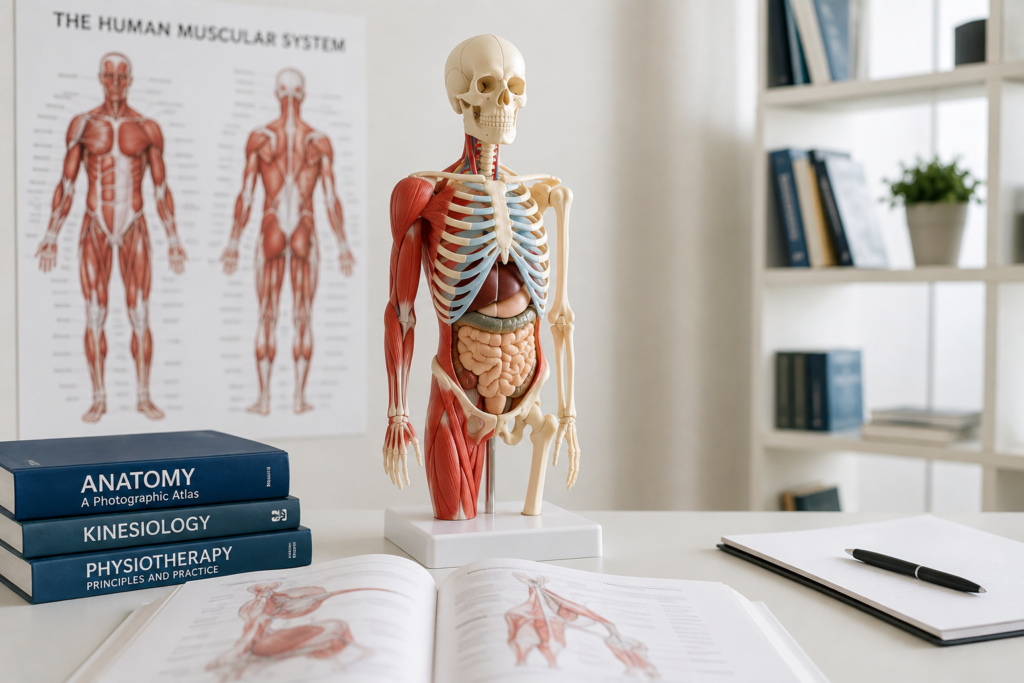
Where Anatomy Is Taught Within Physiotherapy Degree Programs Across Europe
However, European countries do not follow one identical curriculum for teaching anatomy within physiotherapy degrees. Each national education system has its own structure. Universities can also organise their programmes differently.
As a result, anatomy may appear as a dedicated subject or as part of a broader group of scientific subjects. The content can also vary between physiotherapy universities within the same country.
Therefore, when comparing physiotherapy degree programmes in Europe, it is useful to look beyond the name of a subject. The name alone does not always show its full content or its role within the curriculum. You can also compare programmes by their ECTS credits and EQF level.
Why Anatomy Matters in a Physiotherapy Degree
In particular, anatomy provides an essential scientific foundation for any physiotherapy degree. It helps students understand normal movement and physical function. It also supports later study in areas such as musculoskeletal physiotherapy, orthopaedics, neurology, rehabilitation and exercise therapy.
Furthermore, physiotherapists continue to use anatomical knowledge throughout their professional practice. A strong foundation therefore supports both university education and clinical development.
Anatomy and Physiotherapy Education Across Europe
More broadly, the organisation of anatomy within a physiotherapy degree can differ across Europe. Some programmes place greater emphasis on basic sciences at the beginning of the degree. Others connect scientific knowledge more closely with clinical subjects.
Consequently, these differences reflect the wider variation in physiotherapy education across European countries. Comparing curricula can therefore provide useful information about how each programme prepares future physiotherapists.
Compare Physiotherapy Subjects in Europe
Finally, anatomy is only one part of a physiotherapy degree. Other subjects build on this scientific foundation and develop clinical and professional skills.
Overall, exploring the different physiotherapy subjects can help students and professionals understand how basic sciences, clinical sciences, physiotherapy interventions and research are organised across European programmes.
Countries Where This Subject Is Included in the Physiotherapy Curriculum
Anatomy forms part of the minimum entry-level curriculum in every surveyed country, with no exceptions.
If you are exploring where to study, browse our country guides to compare access requirements, ECTS credits and clinical placement structures for each physiotherapy degree program in Europe.