Physiotherapy Degree in Czechia: Study Path and Career Opportunities
Physiotherapy is essential for restoring physical mobility and overall health. Across Europe, demand for qualified physiotherapists is growing rapidly, and Czechia is an attractive destination for international students, offering high-quality academic education recognised throughout the European Union.
Degree Structure and ECTS Credits
The primary study path consists of a 3-year Bachelor’s degree, requiring 180 ECTS credits and placed at EQF Level 6. Graduates can then pursue a 2-year Master’s degree worth 120 additional ECTS credits, allowing further specialisation in fields such as sports or paediatric physiotherapy.
The curriculum combines deep theoretical studies with practical clinical training. Core subjects include anatomy, biomechanics and kinesiology. Students also learn manual therapy techniques and physical agent modalities, including electrotherapy.
Admission Requirements and Language of Instruction
Applicants must hold a valid secondary school diploma, along with a strong foundation in biology and chemistry. Many programmes also require a scientific entrance examination or an interview.
Several physiotherapy programmes in Czechia are offered entirely in English. Consequently, international applicants must present proof of English proficiency, typically through standard tests such as IELTS or TOEFL.

Clinical Internships and Practical Training
Practical training is a key element of physiotherapy education in Czechia. During the degree, students complete between 1,000 and 1,200 hours of clinical internships.
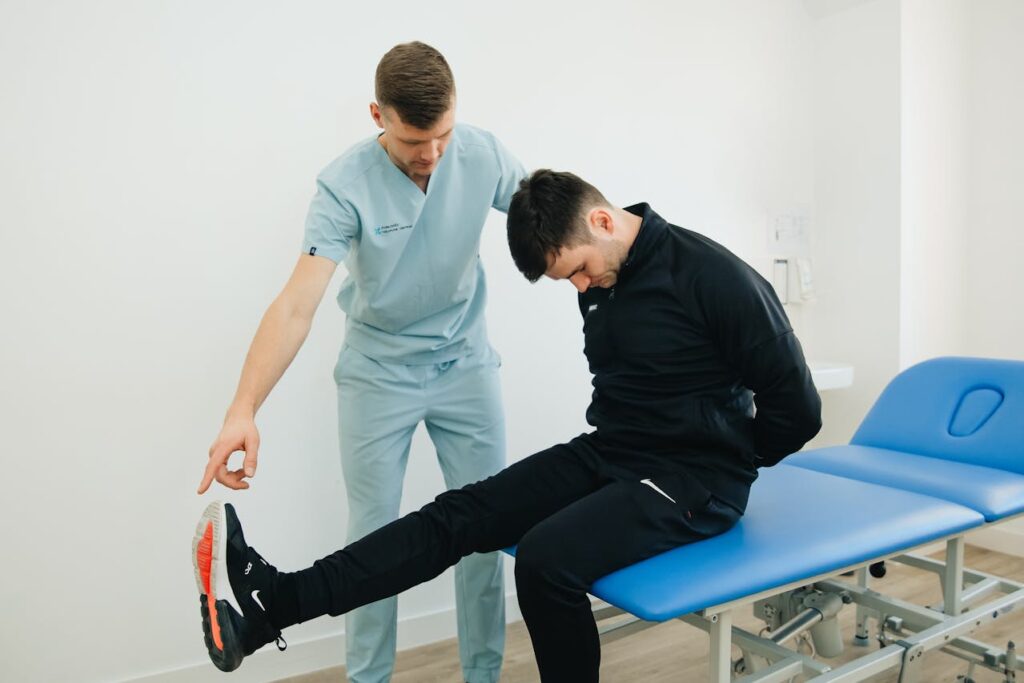
Practical sessions take place in hospitals, rehabilitation centres, and sports clinics. Future physiotherapists gain hands-on experience by working alongside licensed professionals, applying exercise therapy and other core interventions under supervision.
Licensing and Professional Associations
The physiotherapy profession is regulated by the Ministry of Health of the Czech Republic. To practise legally, graduates must complete official state registration.
Furthermore, the Czech Association of Physiotherapists (UNIFY-ČR) represents industry professionals, organising continuing education courses, workshops and scientific conferences, in line with the recognition principles described in our Article 11 recognition guide.
Career Opportunities
Graduates from Czechia enjoy excellent job prospects across Europe. Key employment sectors include:
- Hospitals and Rehabilitation Centres: treatment of orthopaedic and neurological conditions.
- Sports Physiotherapy: functional recovery for athletes and sports clubs, as part of sports physiotherapy.
- Paediatrics and Geriatrics: care for developmental disorders or age-related conditions, drawing on paediatric and geriatric physiotherapy.
- Private Practice: establishing an authorised independent clinic.
Where Can You Practice with a Czech Physiotherapy Degree?
Under Article 11 of Directive 2005/36/EC, the Czech physiotherapy degree qualifies as Level (d) — a university bachelor’s degree of three years. As a result, this determines which EU/EEA countries accept the qualification. Furthermore, it clarifies where compensatory measures under Article 14 may additionally apply. In other words, acceptance is guaranteed at the same level, however each host country may still impose additional requirements. For the full recognition procedure, see our Article 11 recognition guide.
Article 11 Recognition Table — Czechia
| Article 11 Level | Description | Countries requiring this level | Recognition from Czechia (d) |
|---|---|---|---|
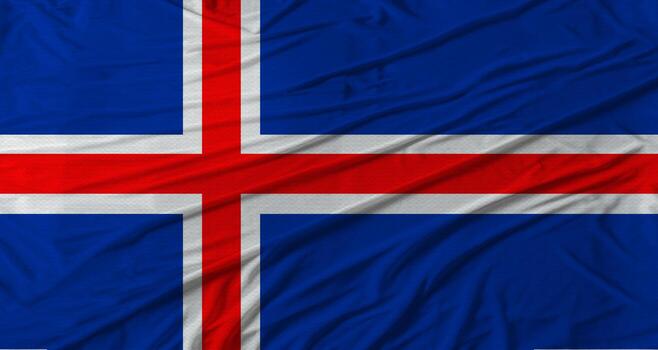
| Level (e) | Master’s degree or post-graduate — university, more than 4 years | Belgium Cyprus France Iceland Luxembourg Poland EQF 7 — master’s degree required as minimum entry level | ⚠ Accepted — compensatory measures likely One level below host country requirement. Host may request an aptitude test or adaptation period under Art. 14. |
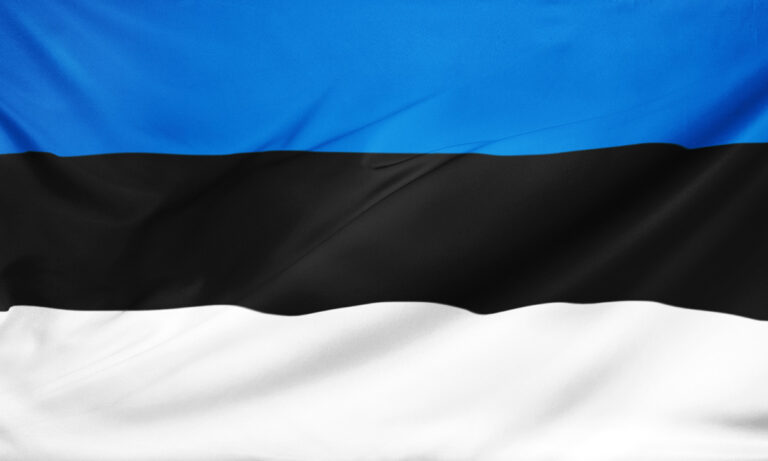
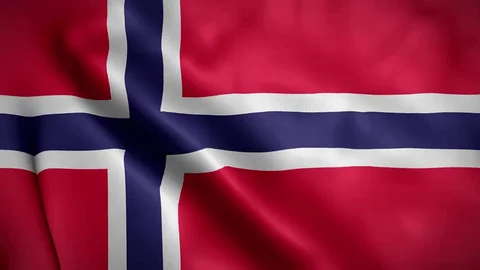
| Level (d) ← Czechia | Bachelor’s degree — university or higher education, 3–4 years | Austria Bulgaria Croatia Czechia Denmark Estonia Finland Greece Hungary Ireland Italy Latvia Lithuania Malta Netherlands Portugal Romania Slovenia Spain Sweden Norway EQF 6 — bachelor’s degree, 180–240 ECTS | ✓ Accepted Same level — qualification accepted. Individual compensatory measures may still apply per host country rules. |
| Level (c) | Post-secondary / short-cycle vocational training (min. 1 year) | Germany Slovakia Dual-track systems: vocational route is the legal minimum; academic route also exists at level (d) | ✓ Accepted Czech level (d) exceeds the minimum. Individual assessment by the competent authority may apply due to the dual-track system. |
| Level (b) | Secondary education certificate or vocational training | No EU/EEA country requires only level (b) for physiotherapy | ✓ Accepted Not applicable for physiotherapy in the EU/EEA. |
| Level (a) | Attestation of competence — basic training or general education | No EU/EEA country requires only level (a) for physiotherapy | ✓ Accepted Not applicable for physiotherapy in the EU/EEA. |