Physiotherapy Degree in Croatia: Study Path and Career Opportunities
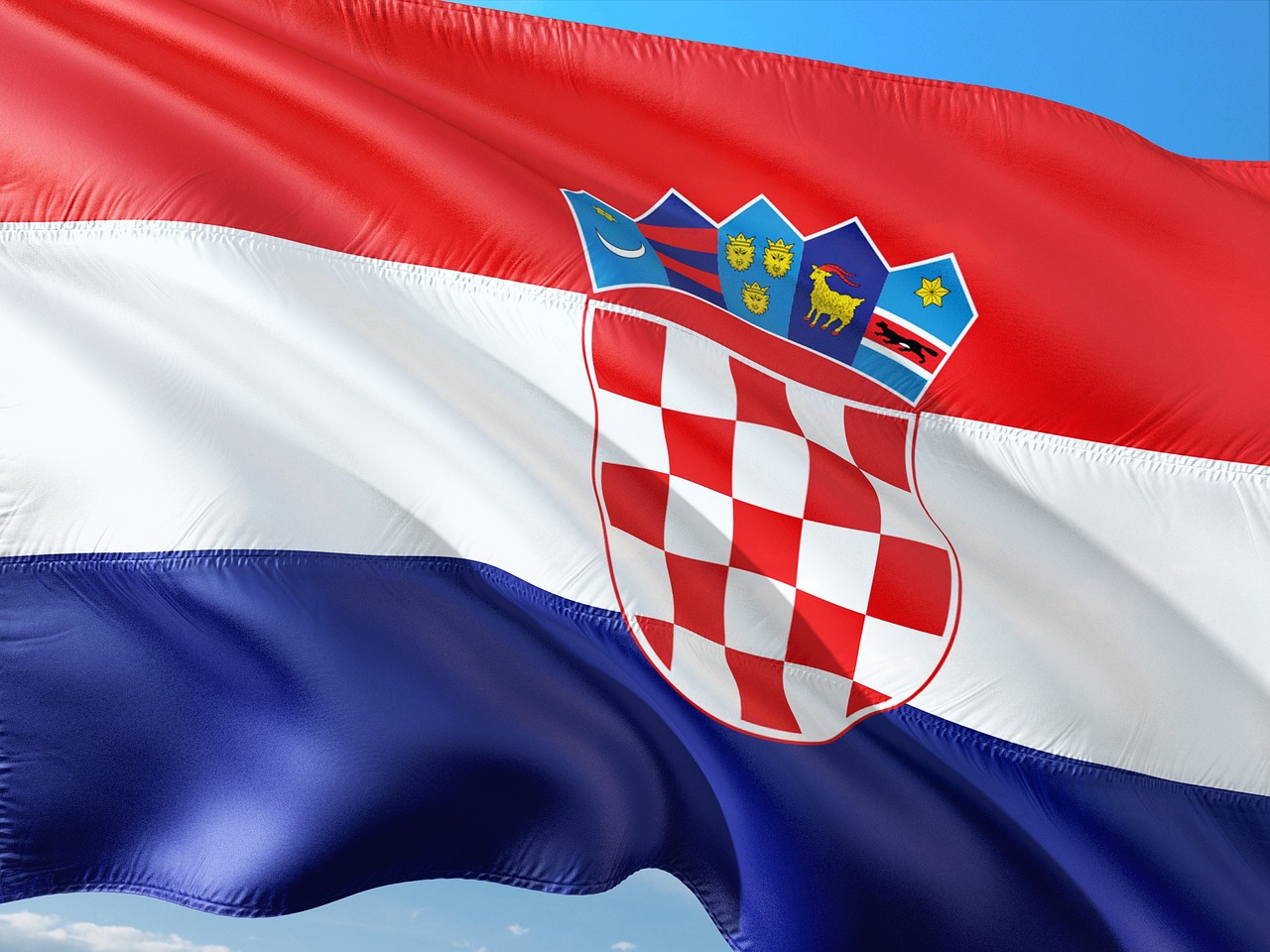
European physiotherapy education maintains rigorous academic standards and practical training, preparing students for successful healthcare careers. Croatia has emerged as an increasingly popular destination for international students seeking high-quality physiotherapy degrees aligned with European Union standards.
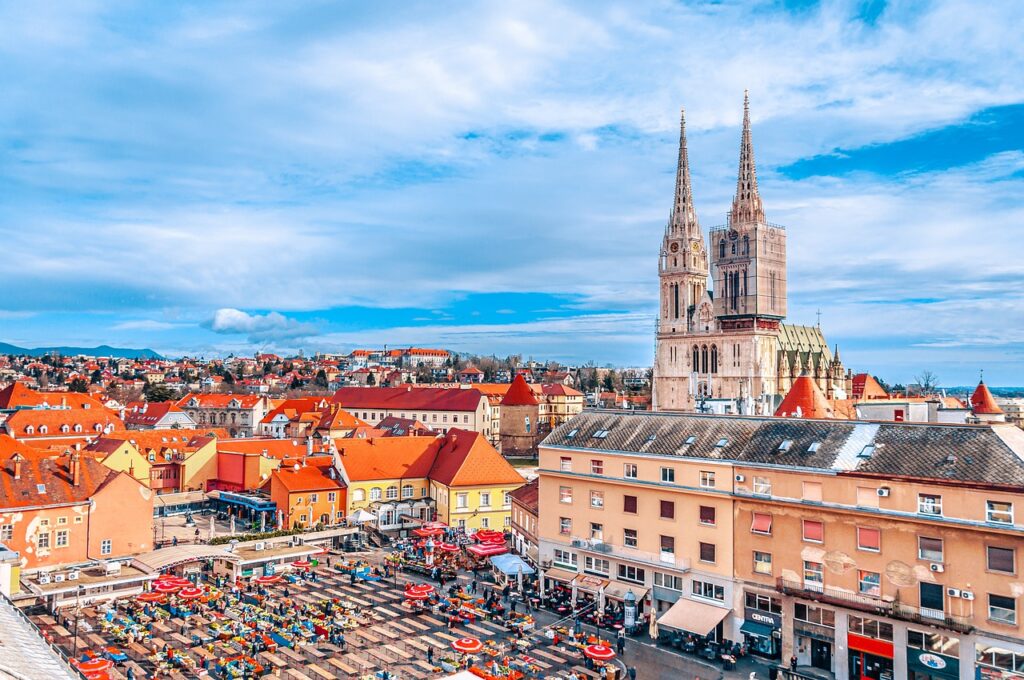
Positioned strategically in Central and Southeastern Europe, Croatia connects students directly to broad European healthcare networks. The country also offers affordable tuition fees, lower living costs, and a strong quality of life.
Degree Structure and ECTS Credits
The Bachelor of Physiotherapy in Croatia spans four years of full-time study, requiring 240 ECTS credits and placed at EQF Level 6. As a result, the curriculum aligns fully with European Higher Education Area frameworks.
Students build a strong scientific foundation during initial semesters through lectures in human anatomy, physiology, and movement mechanics. These foundational subjects prepare learners for advanced modules covering manual therapy, exercise prescription, neurorehabilitation, and sports injury management.
Admission Requirements
Candidates must hold a valid high school diploma with coursework in biology, chemistry, and physics. In addition, many programmes conduct scientific entrance examinations or motivation interviews during the selection process.
Because some programmes are taught entirely in English, non-native speakers must present official proof of language proficiency. Standard language certificates such as IELTS (minimum 6.0) or TOEFL (minimum 80) typically satisfy admission requirements.

Practical Clinical Internships
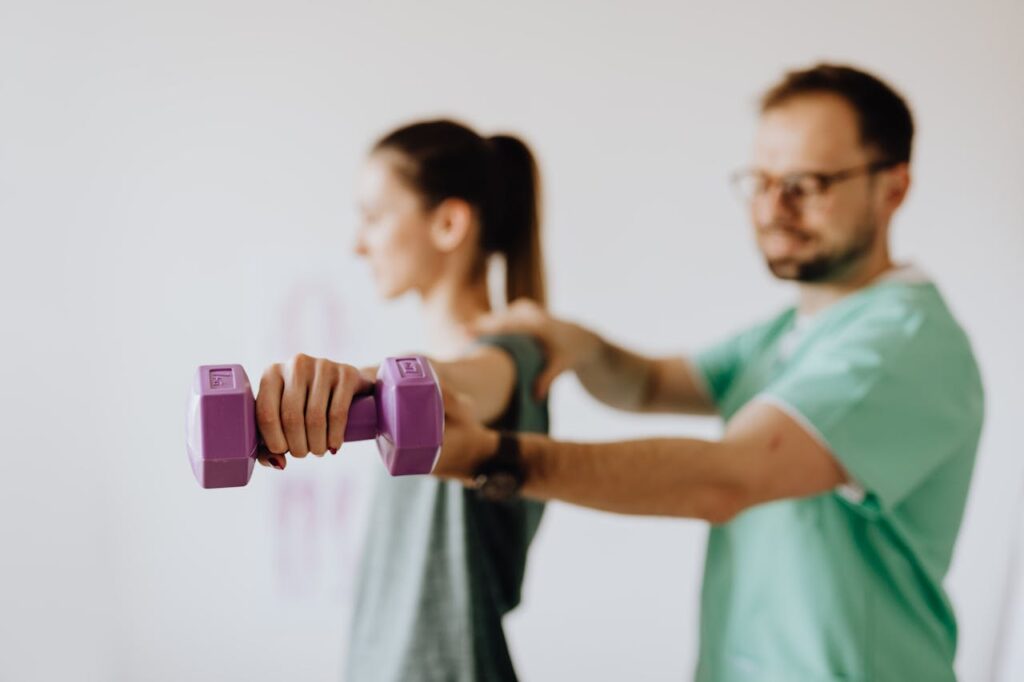
Hands-on clinical training forms a central pillar of physiotherapy programmes in Croatia. Students complete extensive clinical hours within public hospitals, specialised rehabilitation centres, and private clinics.
Under expert clinical supervisors, students gradually take on patient evaluations, treatment planning, and therapeutic delivery. Working in diverse settings equips graduates with strong clinical decision-making capabilities and essential communication skills.
Licensing and Professional Practice
To practise legally in Croatia, graduates must register with the Croatian Council of Physiotherapists (Hrvatska komora fizioterapeuta – HKF). The Chamber oversees educational standards, professional ethics, and active practice licences.
Furthermore, because Croatian qualifications align with European Union directives, licensed practitioners can exercise mutual recognition benefits across EU member states, in line with the principles described in our Article 11 recognition guide, or pursue advanced Master’s specialisations in sports, paediatric, or geriatric physiotherapy.
Where Can You Practice with a Croatian Physiotherapy Degree?
Under Article 11 of Directive 2005/36/EC, the Croatian physiotherapy degree qualifies as Level (d) — a university bachelor’s degree of four years. As a result, this determines which EU/EEA countries accept the qualification. Furthermore, it clarifies where compensatory measures under Article 14 may additionally apply. In other words, acceptance is guaranteed at the same level, however each host country may still impose additional requirements. For the full recognition procedure, see our Article 11 recognition guide.
Article 11 Recognition Table — Croatia
| Article 11 Level | Description | Countries requiring this level | Recognition from Croatia (d) |
|---|---|---|---|
| Level (e) | Master’s degree or post-graduate — university, more than 4 years | Belgium Cyprus France Iceland Luxembourg Poland EQF 7 — master’s degree required as minimum entry level | ⚠ Accepted — compensatory measures likely One level below host country requirement. Host may request an aptitude test or adaptation period under Art. 14. |
| Level (d) ← Croatia | Bachelor’s degree — university or higher education, 3–4 years | Austria Bulgaria Croatia Czechia Denmark Estonia Finland Greece Hungary Ireland Italy Latvia Lithuania Malta Netherlands Portugal Romania Slovenia Spain Sweden Norway EQF 6 — bachelor’s degree, 180–240 ECTS | ✓ Accepted Same level — qualification accepted. Individual compensatory measures may still apply per host country rules. |
| Level (c) | Post-secondary / short-cycle vocational training (min. 1 year) | Germany Slovakia Dual-track systems: vocational route is the legal minimum; academic route also exists at level (d) | ✓ Accepted Croatian level (d) exceeds the minimum. Individual assessment by the competent authority may apply due to the dual-track system. |
| Level (b) | Secondary education certificate or vocational training | No EU/EEA country requires only level (b) for physiotherapy | ✓ Accepted Not applicable for physiotherapy in the EU/EEA. |
| Level (a) | Attestation of competence — basic training or general education | No EU/EEA country requires only level (a) for physiotherapy | ✓ Accepted Not applicable for physiotherapy in the EU/EEA. |